Blog
What Replacing a Garage Door in Bowie Actually Involves
Thinking about a new garage door in Bowie, MD? See how the area's 1960s-70s housing stock and cold winters shape the right door and installation choice.
When to Call Someone
If the door is sagging on one side, if a cable has come off the drum, or if the opener strains and reverses on its own, that's a call-someone situation, not a weekend project. Torsion springs store enough force to break bones, and on a door built when most of this area's housing went up - median year 1977 - the hardware is often original or close to it. Original brackets rust, mounting wood splits, and the whole assembly can be one bad pull away from letting go. If you hear a loud bang from the garage and the door won't move, that's almost always a broken spring, and it's not a DIY fix. Same goes for a double door that's dropped out of square: once the tracks rack, forcing it can bend the panel or pull the opener rail loose. Call when you see rust bleeding through at the hinges, when the door is noticeably heavier to lift by hand than it used to be, or when a repair quote starts sounding like it costs more than half of a new door. At that point you're not saving money by patching old steel - you're renting time on a door that's going to fail again.
The Situation
Housing in this service area runs from 1948 up through 2014, but the median build year is 1977, and the bulk of it - across the 91 named communities between here and places like Fairwood, Woodmore, and Mitchellville - is 1960s and 70s construction. That matters for garage doors specifically because doors from that era were rarely insulated, often single-layer steel or even wood, and hung on hardware that manufacturers stopped stocking parts for years ago. With 185,075 owner-occupied houses across the region and a median household income of $119,439, a lot of owners are weighing a full replacement against another round of patch repairs on a door that's outlived its design life. The math usually favors replacement once you're past the second or third spring or roller repair on the same door. A new door buys you current weatherstripping, a torsion system rated for today's loads, and panels that won't flex the way 40-year-old steel does. It's not a small purchase, but on a house built in the 1960s or 70s, the original door is rarely the cheapest thing left to fix.
How Local Conditions Play In
This area sits in a cold, severe climate band, which means the garage door takes real temperature swings - not just cold mornings, but the freeze-thaw cycling that works steel fatigue and dries out old rubber seals. On a door that dates to the 1960s or 70s building boom here, that cycling has had decades to do its work: brittle weatherstripping, hardened lubricant in the rollers, and torsion springs that have lost tension faster than they would in a milder region. Cold also changes how steel behaves under load - a spring calibrated for a door's weight in summer can feel noticeably stiffer or weaker in a hard freeze, which is part of why older doors in this area tend to show balance problems in winter first. If you're replacing a door here, an insulated panel isn't a luxury upgrade, it's the baseline that makes sense for the climate band this area sits in. Uninsulated steel doors, common on houses built before the 1980s, let the garage track outdoor temperature almost exactly, which matters if the garage shares a wall with living space.
Checking It Yourself
Before you call anyone, there are a few things you can check safely. Pull the manual release and lift the door by hand - it should move with one hand and stay roughly where you leave it. If it's heavy or drops on its own, the springs are losing tension. Look at the weatherstripping along the bottom and sides; on houses from the 1960s and 70s era common across this area, it's often cracked or missing outright, which lets in cold air and water. Check the tracks for rust or bowing, and look at the panels themselves for separation at the seams, a sign the door has been through enough freeze-thaw cycles to start pulling apart. What you shouldn't do yourself is touch the torsion spring or try to adjust its tension - that's the one place where a measuring mistake becomes an emergency room visit, and it's genuinely not worth the risk to save a call-out fee. If the door is original to a house built decades ago and you're seeing two or more of these problems at once, you're looking at replacement, not another repair.
Questions
Common questions
How do I know if my garage door is original to the house?
If your house was built in the range common across this area - roughly 1948 to the 1980s, with most stock from the 1960s and 70s - and the door still has steel hinges with no visible manufacturer sticker or a wood panel design, it's likely original. Original hardware from that era is rarely a drop-in match for current parts, which is often the deciding factor toward replacement over repair.
Does the cold around here actually affect garage door springs?
Yes. This area sits in a cold, severe climate band, and torsion springs lose tension faster under repeated freeze-thaw cycling than they would somewhere milder. A spring that was fine last spring can feel noticeably off by midwinter, especially on an older door that's already been cycling through decades of seasonal swings.
Is an insulated door worth it for a house built in the 1970s?
Given the cold-and-severe climate here, insulation is less about comfort upgrade and more about matching the door to the conditions it actually faces. Uninsulated steel doors, standard on houses built in that era, let outside temperature into the garage almost directly, which matters more if the garage sits against living space.
Recommendation
You Might Also Like
More garage door guides for Bowie homeowners.
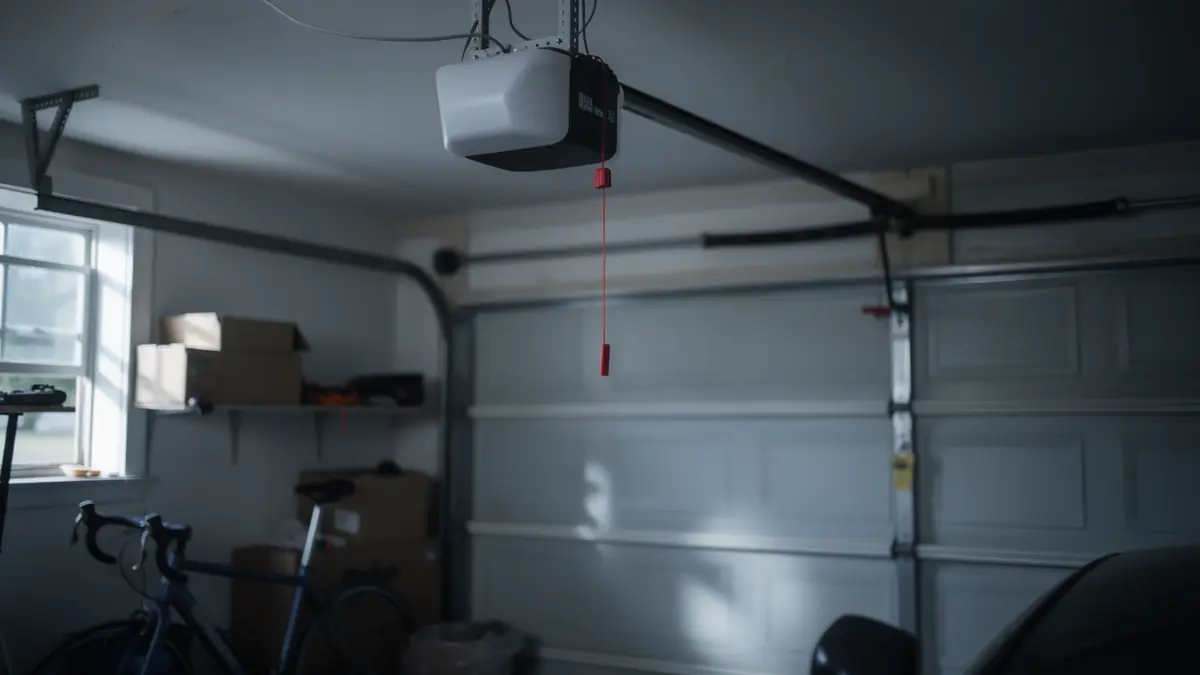
What We Actually Do on a Bowie Service Call
A breakdown of what a Bowie garage door service call actually includes, tied to this area's 1960s-70s housing stock and cold-climate wear patterns.
Read guide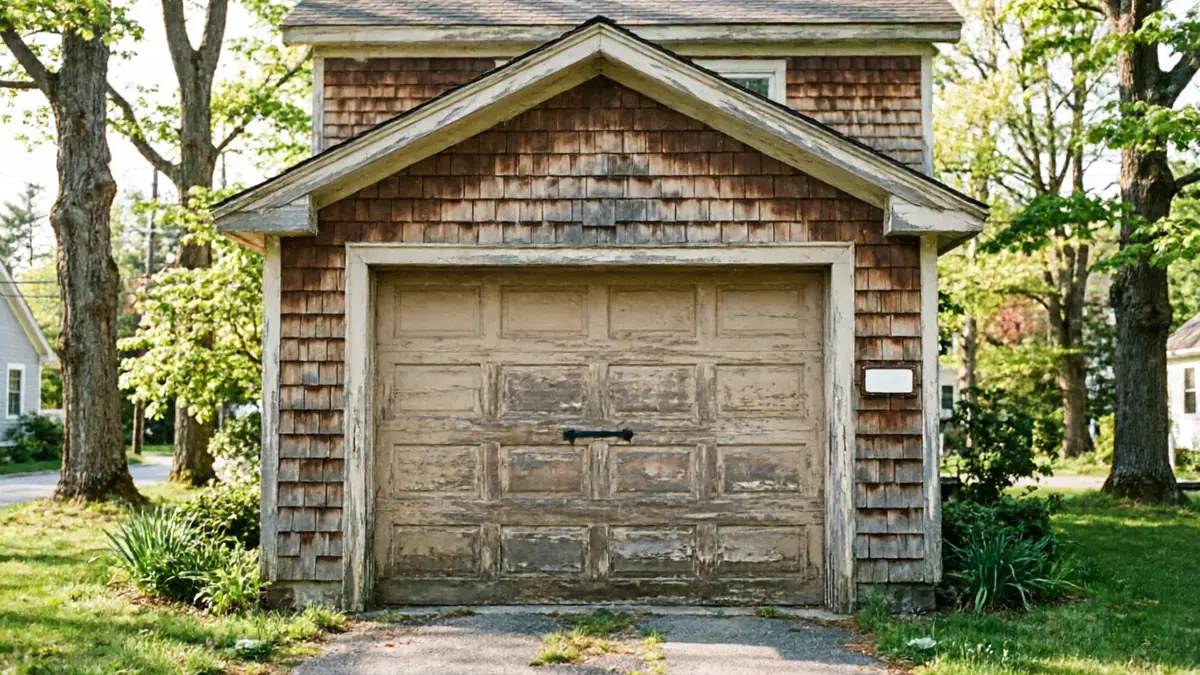
What a Technician Checks First on a Bowie Garage Door
A look at what a technician checks first on a Bowie garage door call, tied to this area's 1960s-70s housing stock and cold winters.
Read guide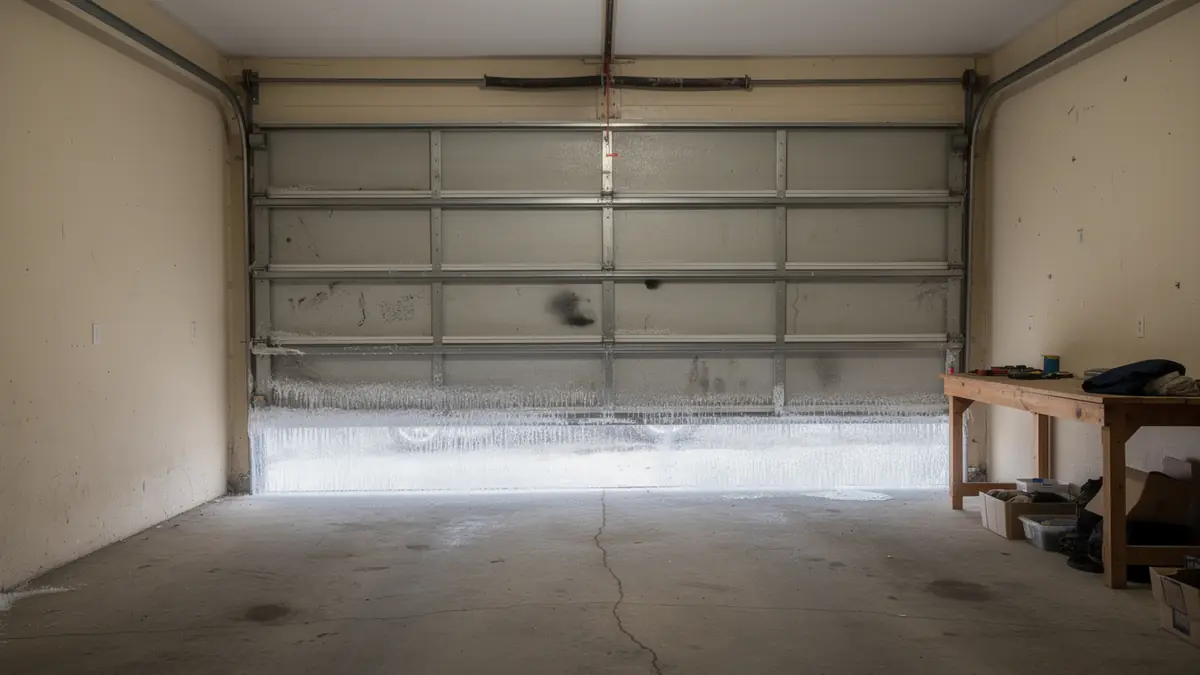
Why Your Garage Door Jumps the Track in Bowie
Bowie's housing stock dates mostly to the 1960s-70s with older track hardware, and cold winters add metal contraction that pushes rollers out of line.
Read guideReady when you are
Need a garage door sorted in Bowie?
Bowie Garage Door Pros repairs and installs garage doors, springs and openers in Bowie, MD and the surrounding area.