
Blog
Detached or Attached: What Your Bowie Garage Actually Needs
Bowie homes span 1948 to recent builds, with detached garages common in the older 1960s-70s sections. Here's how that split changes door choice and winter performance.
When to Call Someone
If your detached garage door is sagging at the corners, or an attached door won't seal tight against the jamb anymore, that's not a tightening-the-bolts job. Detached structures built during Bowie's 1960s-70s wave often have their own settled foundation, separate from the house, and a door that's racked from years of that movement needs someone who can check the track alignment against the frame, not just swap a roller. Attached garages share a wall with living space, so a door that won't seal is a heat-loss problem as much as a hardware problem, and in a cold-climate winter that matters. Call when the door drags, when one side lifts before the other, or when you hear a grinding sound on a track that looks straight to the eye. Also call before you guess on spring tension - a detached garage with an older low-headroom torsion setup from the 1970s build era isn't something to troubleshoot solo. We'll tell you straight if it's a $40 part or a door that's not worth saving.
The Situation
Bowie's housing stock runs from 1948 up through recent construction, with a median build year around 1977, and most of what you'll find across the area's named sections is 1960s-70s era. That matters for garage doors because the two decades built garages two different ways. Detached garages from that era tend to be simple single-panel or early sectional doors on basic track, often under-insulated because nobody worried about it then. Attached garages, more common in the later portion of that build window and in newer sections, were framed as part of the house envelope from day one, which means the door itself is doing real insulation work, not just keeping out weather and raccoons. If you're in one of the older detached-garage pockets, your door is likely original hardware on a structure that's shifted a bit over fifty-plus years. If you're in an attached setup from a later build phase, the door's seal condition affects the room next to it, sometimes directly below a bedroom.
How Local Conditions Play In
This area sits in a cold-severe climate band, which means freeze-thaw cycles work on whatever gaps exist in a door system every winter, not just the one or two hard cold snaps. On a detached garage, that's mostly about the door and track holding shape - a warped panel on an old 1960s-70s single door will bind worse in January than July, and the fix often waits until it's already causing damage to the opener. On an attached garage, cold-severe conditions turn a bad door seal into a cold wall for the room next to it, and in the older end of Bowie's build range, that seal was never engineered for today's insulation standards anyway. We see the difference most on uninsulated detached doors from the earlier housing stock - they flex more in hard cold, and the hardware made for that era wasn't built with weatherstripping clearance in mind. Retrofitting weather seal on a 50-year-old detached door frame is possible, but it's not always worth the labor versus replacing the slab.
Checking It Yourself
Walk out and look at the gap along the bottom of the door with the lights off inside - if you see daylight in more than one spot, the door isn't sealing, and in a cold-severe winter that's heat going somewhere. On a detached garage, push the door up by hand (power disconnected) and feel for binding partway through the travel - that's often a track that's shifted with the structure over the decades since it was built. On an attached garage, check the wall between the garage and the house for cold spots near the top corners of the door opening; that's usually the seal, not the insulation in the wall itself. One honest limit here: if your door is original to a house built in the 1960s or 70s, parts for that specific track and panel width are often discontinued, and a repair quote may come back as a replacement recommendation instead. That's not an upsell - it's just what's actually available for hardware that old.
Questions
Common questions
Does it matter if my garage is detached or attached when picking a new door?
Yes. An attached garage door is part of your home's insulation envelope, so seal quality and R-value matter more given this area's cold-severe winters. A detached garage door mainly needs to handle structural flex and keep weather out, so budget and track condition often drive that choice more than insulation rating.
Why does my detached garage door bind halfway through opening?
Detached structures built in Bowie's common 1960s-70s era have settled independently from the house over decades. That shift can throw the track slightly out of parallel, which shows up as binding partway through travel. It's usually a track realignment, not a motor problem, but it's worth having someone check before you force it.
Is it worth insulating an old detached garage door?
Depends on the door. If it's original hardware from the 1960s-70s build wave, retrofitting weatherstrip and insulation panels can help, but an old low-headroom track sometimes won't clear added insulation thickness. On a door that old, we'd rather tell you honestly whether replacement makes more sense than patching it.
Recommendation
You Might Also Like
More garage door guides for Bowie homeowners.
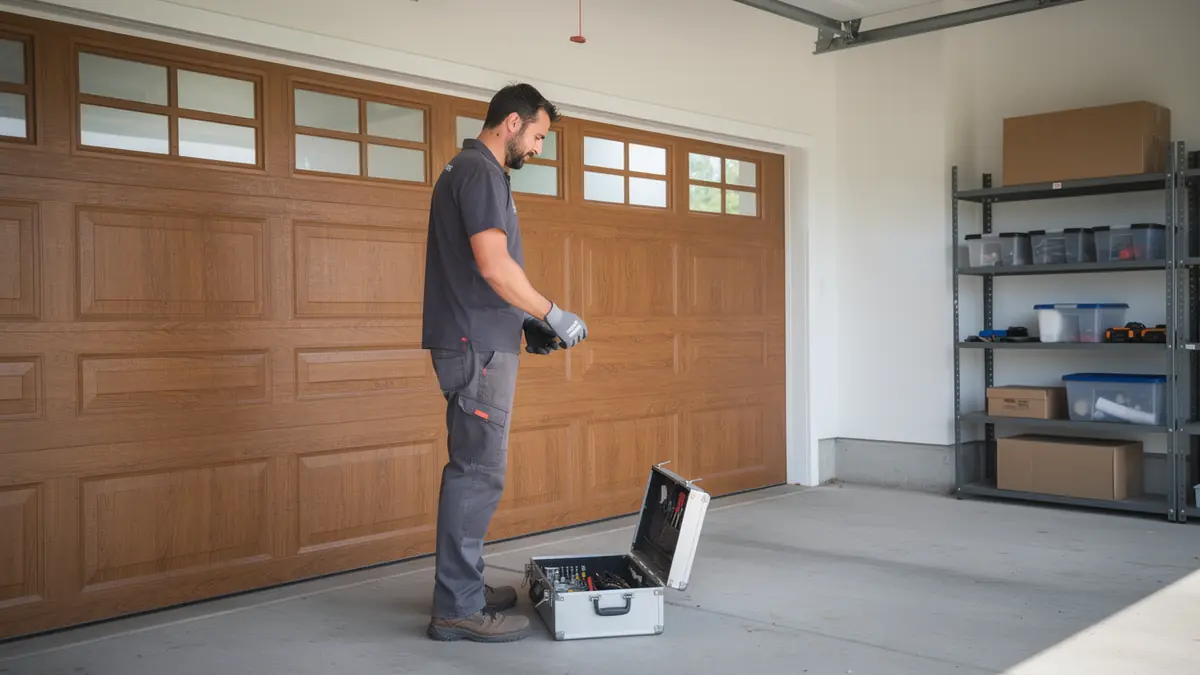
When the Power Goes Out and Your Bowie Garage Door Won't
Bowie homes built mostly in the 1960s-70s face older opener wiring and cold-weather power cuts.
Read guide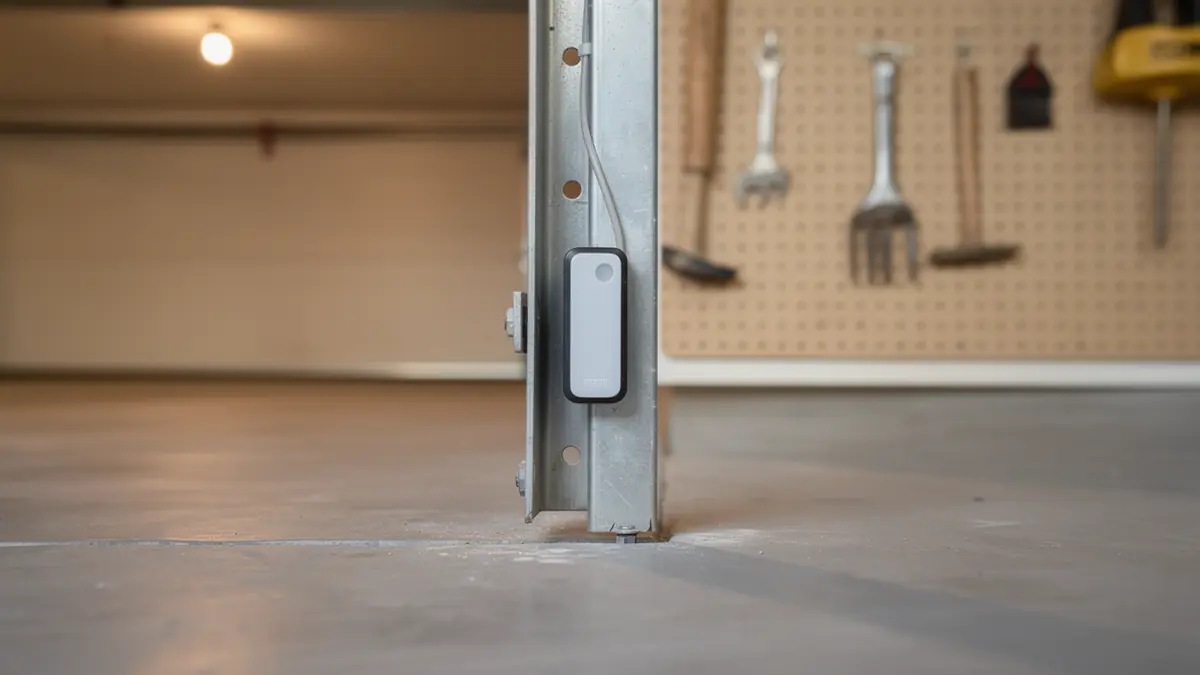
What Replacing a Garage Door in Bowie Actually Involves
Thinking about a new garage door in Bowie, MD?
Read guide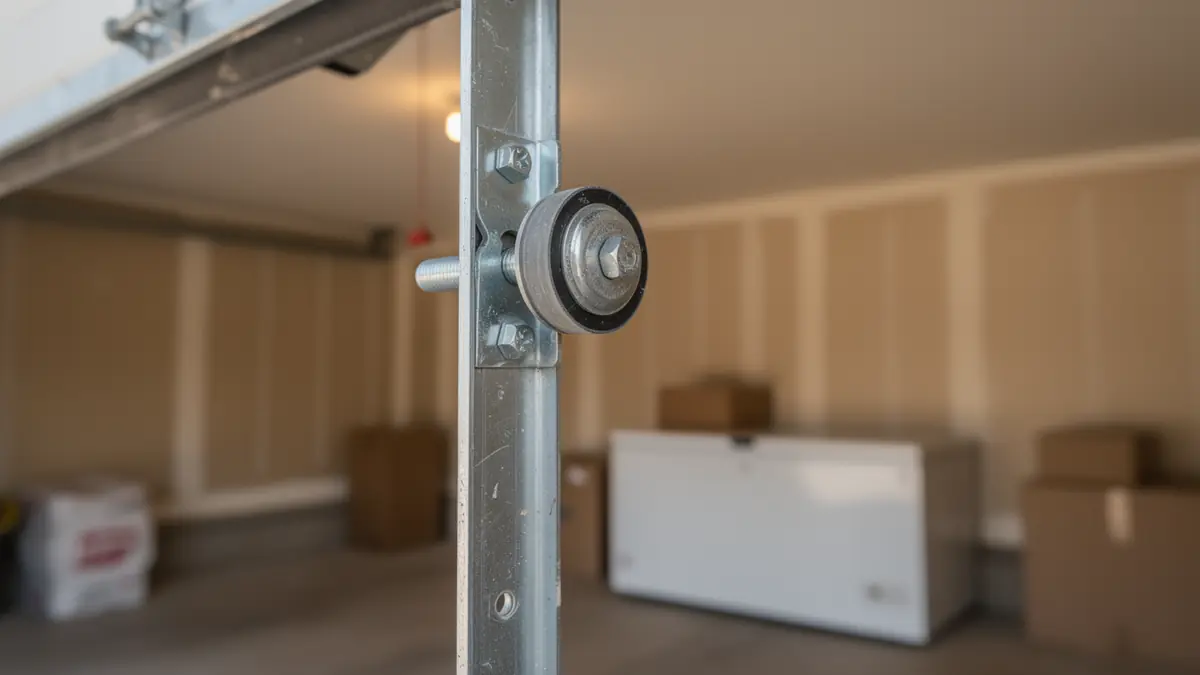
What That Garage Door Noise Is Actually Telling You
Most Bowie houses date to the 1960s-70s boom, and original hardware tells on itself through sound.
Read guideReady when you are
Need a garage door sorted in Bowie?
Bowie Garage Door Pros repairs and installs garage doors, springs and openers in Bowie, MD and the surrounding area.