Blog
When an Older Bowie Garage Door Is Worth Fixing - and When It Isn't
Bowie homes were built between 1948 and 2014, mostly in the 1960s and 70s, which means a lot of original garage door hardware still in use today.
When to Call Someone
If the door slams the last foot instead of lowering smooth, if a cable has jumped the drum, or if the opener strains and reverses without finishing the cycle, stop using it and call. Those aren't adjustments you should guess at. A lot of houses in this part of Bowie went up in the 1960s and 70s, and plenty of that original torsion hardware is still hanging on the header. When a spring that old lets go, it usually takes the cable drum alignment with it, and running the opener through a bad cable is how you bend a track. If the door is still under power and moving on its own schedule, or dropping unevenly on one side, that's a same-day call, not a weekend project. We won't tell you every noisy door is an emergency - most aren't - but a door that's actively failing mid-cycle is.
The Situation
Housing stock in the Bowie service area spans 1948 through 2014, with the typical build year landing around 1977, and most of what's out there sits in that 1960s-to-70s band across the 91 named communities this shop covers, from close-in spots like Fairwood and Woodmore to farther ones like Crofton and Lanham. A door installed when a house was built in that window has usually had at least one spring replacement by now, sometimes two, and the rollers and hinges are original more often than owners expect. Across the broader service area there are 457,002 households and 185,075 owner-occupied houses, which means a large population of doors in that same age range, all wearing out on a similar timeline. With a median household income of $119,439 in this market, a lot of owners can afford to replace rather than keep patching, which changes the math on an older door. Repair still makes sense when the issue is isolated - a spring, a cable, a bent hinge. It stops making sense when the whole assembly is original and multiple parts are failing at once.
How Local Conditions Play In
Bowie sits in a climate band rated cold and severe, and that matters for a door that's forty or fifty years old. Steel torsion springs lose tension faster through repeated cold cycling, and grease on older rollers and hinges stiffens up in winter, which is part of why a door that worked fine in October starts binding by January. A lot of the doors from that 1960s-70s building stretch are single-layer steel without the foam core that later doors got, so they flex more in cold weather and the panels can work loose at the seams over the years. That flexing is often what you're hearing as a rattle before anything actually breaks. None of this means an older door is doomed - plenty of them run fine with the right maintenance - but it does mean cold weather is usually what exposes a weak spring or a worn hinge that's been marginal for a while. If a door only started acting up once the temperature dropped, that's a strong clue the problem was already there.
Checking It Yourself
Pull the release cord so the opener disconnects, then lift the door by hand to about waist height and let go. A properly balanced door stays put. If it drops or shoots up, the springs are off and that's not something to adjust yourself - torsion springs are under real load and a bad attempt can hurt you. While the opener's disconnected, look at the spring itself: a visible gap in the coil means it's broken, not just weak. Check the tracks for daylight gaps where they bolt to the wall, and run a hand along the bottom weatherstrip - if it's cracked or flattened, cold air and water are getting in, which is common on doors from the older end of Bowie's housing stock. Listen for grinding versus squealing; grinding usually means a roller is shot, squealing is often just dry hinges. What we won't do here is talk you through adjusting spring tension over the phone - that part of the job needs a hand on the bar and the right winding tool, and getting it wrong is dangerous.
Questions
Common questions
My garage door is from the 1970s. Is it worth fixing or should I replace it?
Depends on what's actually wrong. If it's one spring or a cable on a door that's otherwise sound, repair is usually the cheaper and faster route. If the opener, springs, and rollers are all original and failing together, you're often better off replacing the whole unit rather than rebuilding it piece by piece.
Does Bowie's winter really affect an older garage door?
Yes. The area sits in a cold, severe climate band, and steel springs lose tension faster with repeated cold cycling while old grease on rollers and hinges stiffens up. A door that was marginal in fall often starts binding or sagging once temperatures drop, which is usually a sign of wear that was already there.
How do I know if my door's springs are original to the house?
If the house was built in the 1960s or 70s and nobody in your household recalls a spring job, there's a decent chance you're on an older set, especially if the coils look rusted or unevenly spaced. A visible gap in the coil means it's already broken, not just old.
Recommendation
You Might Also Like
More garage door guides for Bowie homeowners.
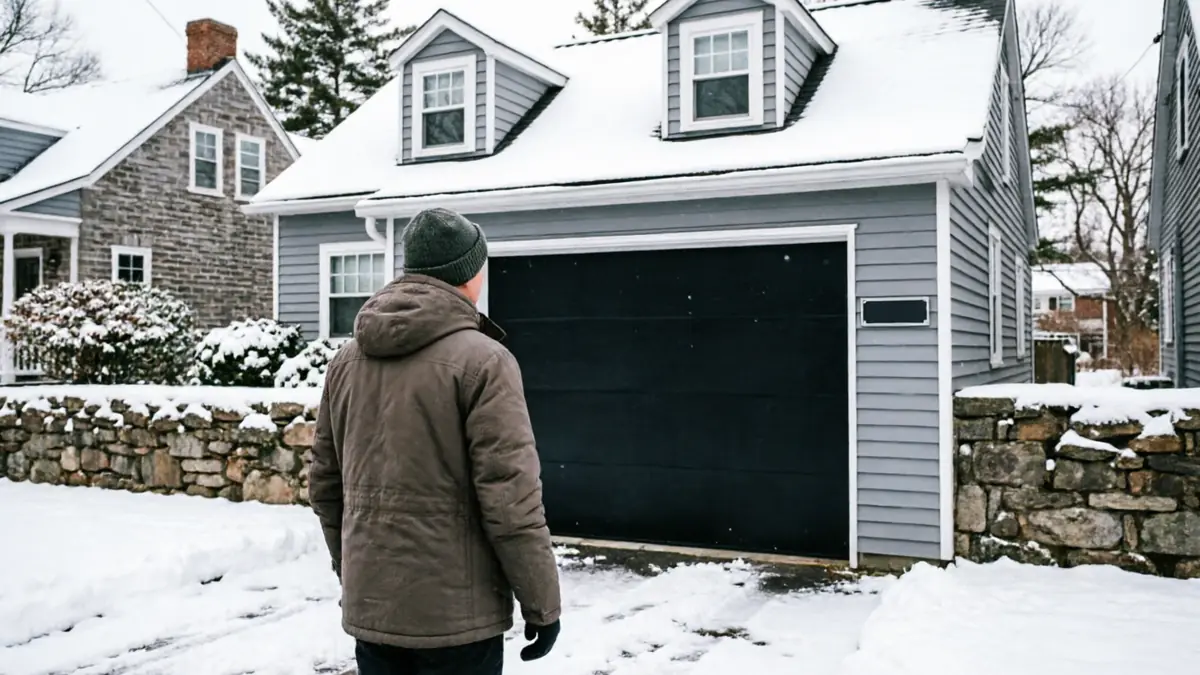
Knowing When Another Repair Call Isn't Worth It
Bowie homes built mostly in the 1960s-70s mean original hardware is aging out together.
Read guide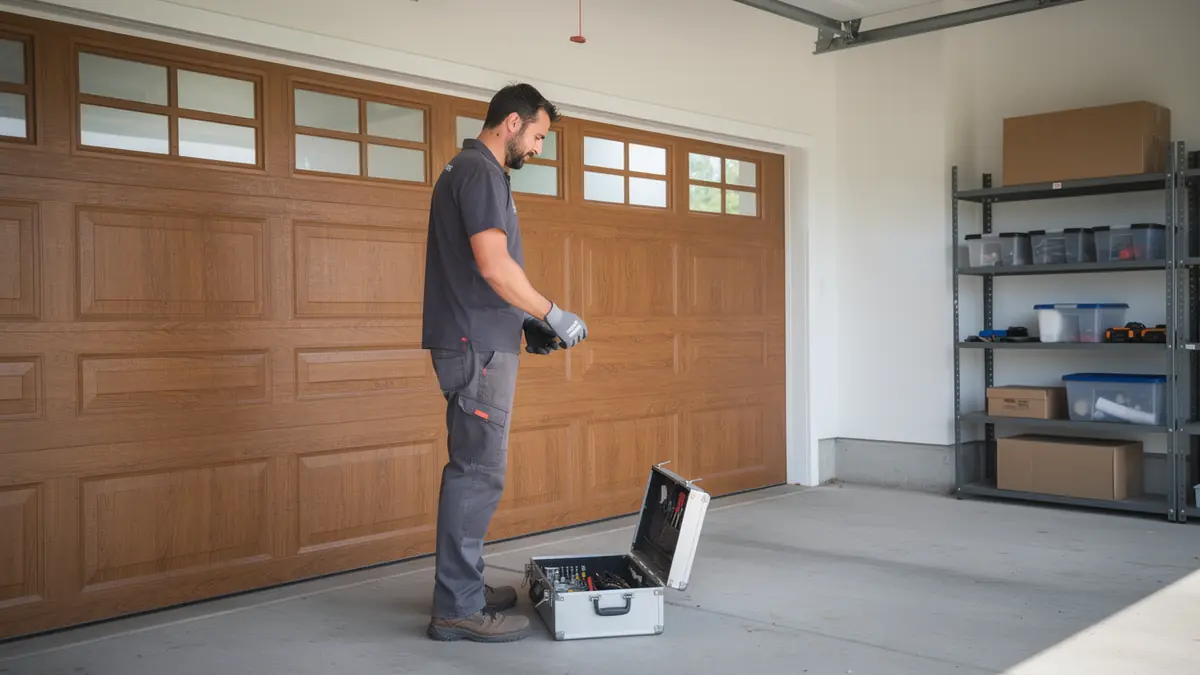
When the Power Goes Out and Your Bowie Garage Door Won't
Bowie homes built mostly in the 1960s-70s face older opener wiring and cold-weather power cuts.
Read guide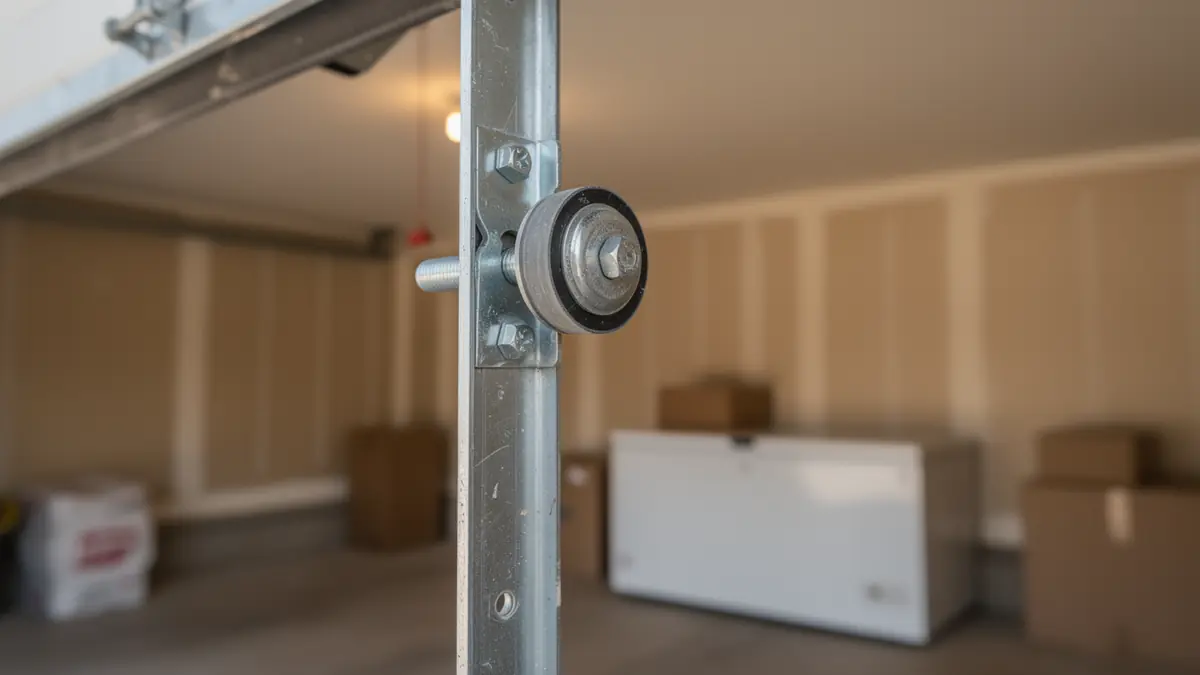
What That Garage Door Noise Is Actually Telling You
Most Bowie houses date to the 1960s-70s boom, and original hardware tells on itself through sound.
Read guideReady when you are
Need a garage door sorted in Bowie?
Bowie Garage Door Pros repairs and installs garage doors, springs and openers in Bowie, MD and the surrounding area.