Blog
Knowing When Another Repair Call Isn't Worth It
Bowie homes built mostly in the 1960s-70s mean original hardware is aging out together. Here's how to tell if another repair call still makes sense.
When to Call Someone
If the door won't open at all, or it opens and slams down, stop pulling the release cord and call. A torsion spring that's let go, or cables that have jumped the drum, can take a finger off if you're standing in the wrong spot when it moves. Same goes for a panel that's buckled from being hit - once the track alignment is off, the opener will keep fighting the door and burn out the motor trying.
In a lot of Bowie's older sections, the original springs and rollers are still in service because nobody's touched them since the house was built. If your door is original to a house from the 1960s or 70s, don't try to diagnose it over the phone with a stranger on a forum. Get someone out to look at the shaft and bearing plates before you turn the opener on again. A door that's binding on worn hardware isn't a lubrication problem, it's a replacement-part problem, and guessing wrong on a torsion spring is the one mistake that sends people to the ER.
The Situation
Housing in this area runs from 1948 up through 2014, with the median build year sitting at 1977 - and most of the stock across the 91 named communities out here dates to the 1960s and 70s. That matters more than people think. A door installed when a house went up in 1968 is pushing sixty years old if nobody's ever replaced it, and steel panels, galvanized springs, and nylon rollers don't last that long under daily use.
The practical line: if the door is original to a house from that era, you're not maintaining it anymore, you're keeping a worn-out system alive one part at a time. Replacing a spring on a forty-year-old door is reasonable. Replacing the spring, then the opener gears six months later, then a cracked panel after that, is a sign the whole unit is at the end of its service life, not that you had bad luck three times in a row.
How Local Conditions Play In
This area sits in a cold, severe climate band, which is harder on garage door hardware than people expect. Steel contracts in winter cold, and a torsion spring that's already fatigued from decades of cycling is more likely to snap on a cold morning than a mild one - the metal is less forgiving when it's stiff. Nylon rollers from original 1960s and 70s installs also get brittle with repeated freeze-thaw swings and start chipping at the edges, which throws off how smoothly the door tracks.
If you've noticed your door struggling more in January than in July, that's not a coincidence, and it's not something a can of spray lubricant permanently fixes on an old unit. On a newer door it's a minor seasonal adjustment. On original hardware from an older Bowie-area home, it's often the cold finishing off a part that was already near the end.
Checking It Yourself
Before you call anyone, look at three things. First, the springs above the door - if you see a gap in the coil or rust pitting deep enough to flake off, that spring is near failure regardless of how the door currently operates. Second, the rollers - if they're the original stamped-steel or hardened nylon type and you can see cracking or flat spots, that's original-era hardware wearing out, not a quick fix. Third, pull the manual release with the door closed and try to lift it by hand. If it feels heavy or uneven, the spring tension is off and something downstream is compensating for it.
Honest limitation here: we can't tell you over the phone whether your specific door is worth repairing or replacing. Age and the visible wear tell part of the story, but torsion spring sizing and cycle life vary enough between installs that it needs an in-person look before anyone gives you a straight answer on repair versus replace.
Questions
Common questions
My garage door is from when the house was built in the late 1960s - is it worth fixing?
Depends what's wrong with it. A single worn part on an otherwise sound door can be worth replacing on its own. But if you're on your second or third repair in a year, a door that old has likely reached the point where the base hardware is failing across the board, not just the one part in front of you.
Why does my old garage door act up more in winter?
This area sits in a cold, severe climate band, and steel springs and older nylon rollers get stiffer and more brittle in cold weather. A spring that's already fatigued from years of cycling is more likely to snap on a cold morning than a mild one, so winter often exposes wear that was already there.
How do I know if a spring is about to break?
Look for a visible gap in the coil or rust that's pitted or flaking the metal. Also try the manual release with the door closed - if lifting it by hand feels heavy or uneven, the spring tension has already shifted and failure is closer than it looks from the outside.
Should I replace just the opener or the whole door?
If the door panels, track, and springs are original to an older build and the opener is the only thing failing, replacing just the opener can make sense. But if the opener is struggling because the door itself is misaligned or the springs are worn, a new opener will just fight the same problems the old one had.
Recommendation
You Might Also Like
More garage door guides for Bowie homeowners.
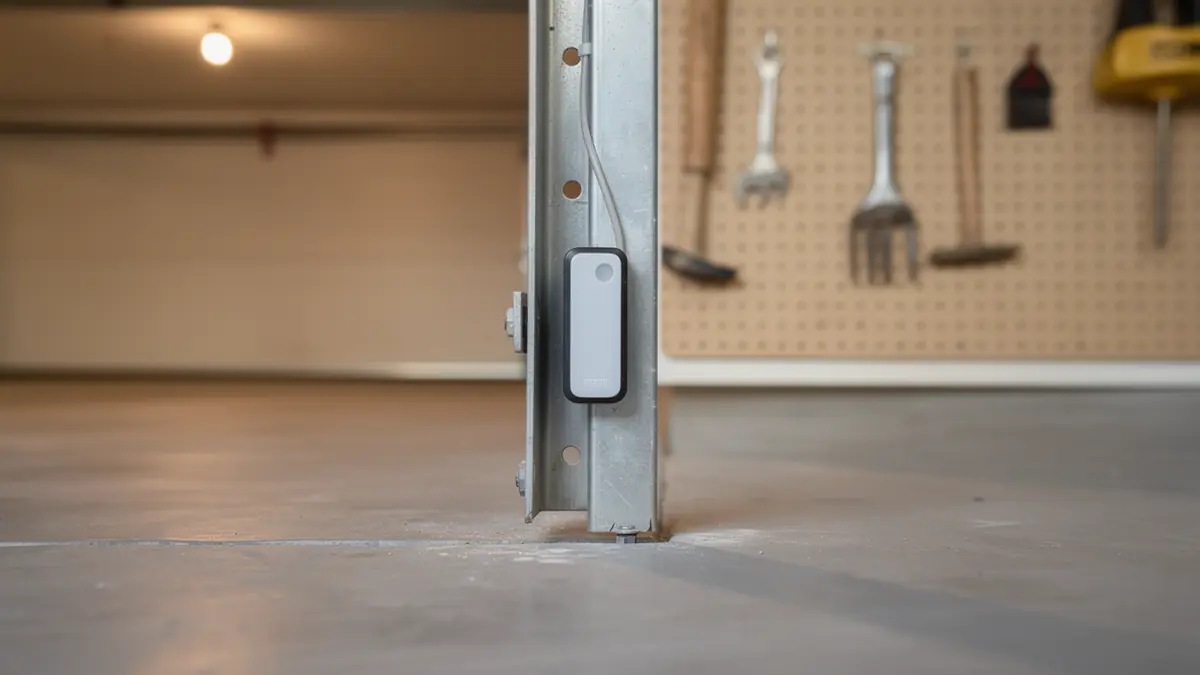
When an Older Bowie Garage Door Is Worth Fixing - and When It Isn't
Bowie homes were built between 1948 and 2014, mostly in the 1960s and 70s, which means a lot of original garage door hardware still in use today.
Read guide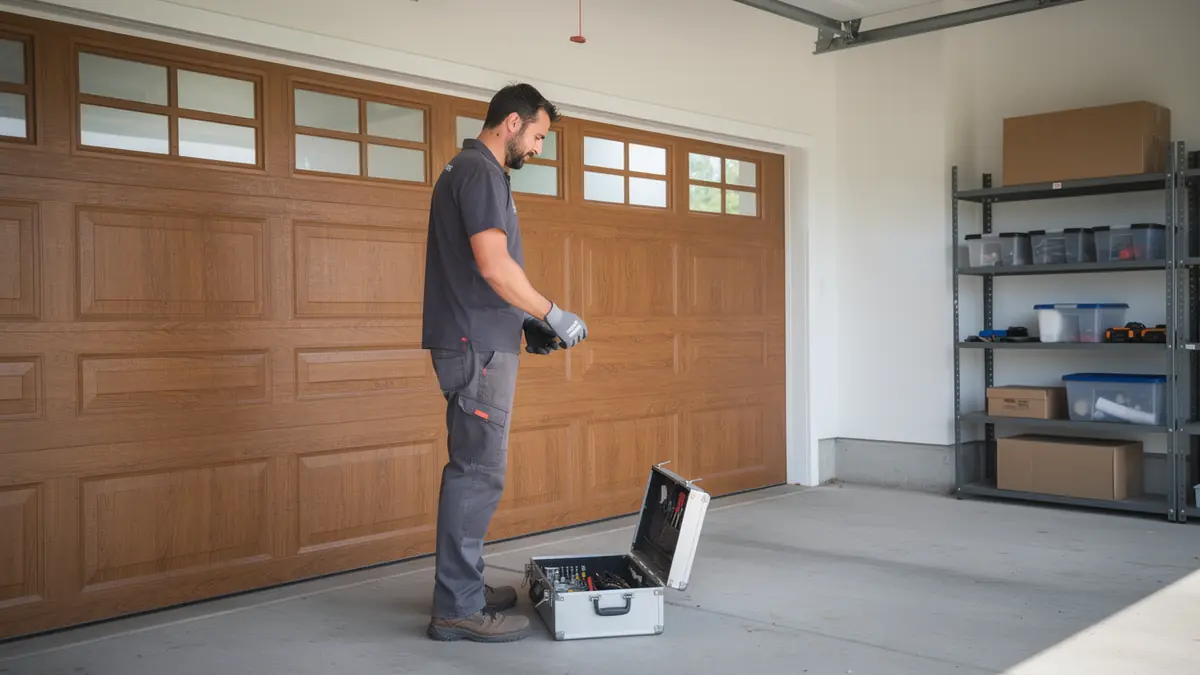
When the Power Goes Out and Your Bowie Garage Door Won't
Bowie homes built mostly in the 1960s-70s face older opener wiring and cold-weather power cuts.
Read guide
Why Draughts Sneak Through Bowie Garage Doors
Bowie homes built from 1948 to 1977 often have worn weather seals that let in cold draughts.
Read guideReady when you are
Need a garage door sorted in Bowie?
Bowie Garage Door Pros repairs and installs garage doors, springs and openers in Bowie, MD and the surrounding area.