
Blog
When Your Bowie Garage Door Spring Breaks in Cold Weather
A torsion spring that snaps on a January morning in Bowie isn't random bad luck. Here's what local housing stock and winter cold have to do with it, and what to check yourself first.
When to Call Someone
If the spring itself is broken - you'll see a visible gap in the coil above the door, or hear a bang like a gunshot from the garage - stop. Don't try to open the door by hand and don't let the opener force it. A torsion spring under tension is not a DIY repair; the wind-up bars and cone fittings that hold that tension can take a hand off if they let go wrong. Call a pro for any spring replacement, full stop.
What you can judge on your own is urgency. A door that's stuck shut in a cold snap with a broken spring isn't an emergency in the sense of flooding or fire, but if it's the only way your car gets out and you've got somewhere to be, say so when you call. Given the age of a lot of Bowie's housing stock - built mostly between the 1960s and 1977, median year right around there - a lot of these springs are original equipment or a prior one-for-one replacement that's now also past its rated cycle count. One cold morning is often just the final push on a spring that was already near the end.
The Situation
Bowie and the surrounding area sit in a cold-severe climate band, and that matters more to a garage door spring than most homeowners realize. Steel contracts in the cold, and the torsion spring's coil tightens slightly as temperatures drop, which raises the stress on metal that may already be fatigued from years of cycling. A spring rated for roughly 10,000 cycles doesn't care what season it dies in, but cold weather is reliably when the last of those cycles gets used up - the door feels heavier, the opener strains a bit more, and then one morning it just lets go.
This isn't a Bowie-specific mechanical fact in the sense that steel behaves differently here than anywhere else cold. What's specific to Bowie is the housing stock sitting on top of that physics: a service area built mostly from 1948 through the early 2010s, with the bulk of homes dating to the 1960s and '70s. That means a large share of garage doors in this area are carrying springs installed decades ago, on hardware that hasn't been touched since.
How Local Conditions Play In
Put the two things together - cold-severe winters and a housing stock centered on the 1960s and '70s - and you get a predictable pattern: spring failures cluster in the coldest stretches of the year, on doors that are old enough that nobody remembers the last time the spring was serviced. If your house falls in that build era, which covers most of the area from Fairwood and Woodmore through Mitchellville, Glenn Dale, and the rest of the towns within a few miles of Bowie, the odds are decent that what's hanging above your door is either original or a single prior replacement.
Houses built later, into the 1990s and 2000s, more commonly carry springs installed under a newer code cycle, but cold is cold regardless of install date - a five-year-old spring can still snap on a hard freeze if it was undersized or installed under tension that didn't account for a Maryland winter. Either way, age plus cold is the combination that puts a job on the schedule, and we see more of both in January and February than any other months.
Checking It Yourself
Before you call, there's a short list of things you can safely look at. Open the garage and look up at the spring - or springs, if it's a two-spring setup - above the door. A clean break shows as a visible gap in the coil, sometimes with the two ends slightly rotated apart. You won't miss it.
Check whether the door was already acting up before this: slow to open, uneven on one side, or louder than usual. Those are signs of a spring that was fatiguing before the cold finished it off, not a fresh install gone bad. Look at the date on the spring if it's marked, though many older installs in homes from the '60s and '70s won't have one.
What you should not do is cut the old spring off, loosen the set screws, or try to manually wind a replacement - that's the part of the job that causes injuries, and it's also the part where the wrong spring size for your door's weight just sets you up for a repeat failure. One honest limitation: we can't always get an exact-match replacement spring same day if yours is an unusual size from an older, discontinued hardware set - sometimes that means a short wait on the part, not the labor.
Questions
Common questions
Why do garage door springs break more in winter in Bowie?
Cold weather tightens the steel coil slightly and adds stress to a spring that's already fatigued from years of cycling. Bowie sits in a cold-severe climate zone, and combined with a housing stock mostly built in the 1960s and '70s, a lot of springs here are old enough that a hard freeze is just the final straw, not the sole cause.
Is it safe to replace a torsion spring myself?
No. A torsion spring holds real tension even when it looks still, and the tools and technique to wind or unwind one safely aren't something to improvise. This is one job we tell every homeowner to leave to a pro, regardless of how handy you are with the rest of the house.
How do I know if my spring is original to the house?
If your home was built in the housing boom years common across this area - roughly 1948 through the 2010s, with a lot of stock from the 1960s and '70s - and you've never had a spring replaced, there's a good chance what's up there is original or close to it. A visible date stamp, if present, is the clearest way to tell.
Recommendation
You Might Also Like
More garage door guides for Bowie homeowners.
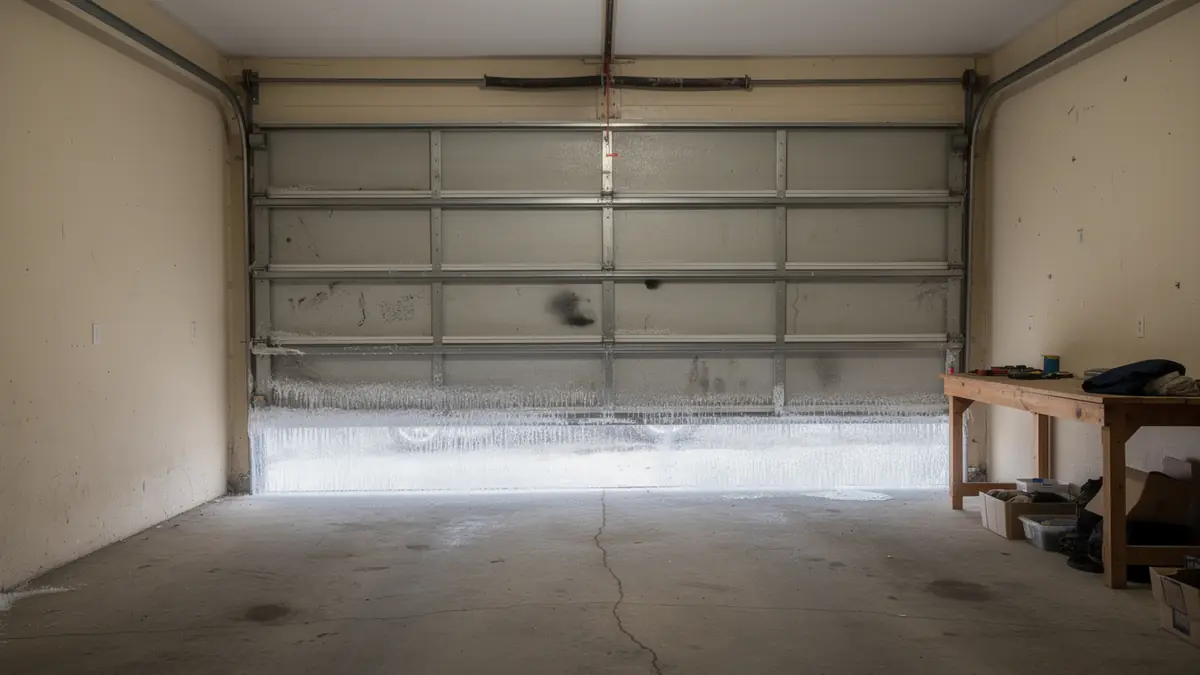
Why Your Garage Door Jumps the Track in Bowie
Bowie's housing stock dates mostly to the 1960s-70s with older track hardware, and cold winters add metal contraction that pushes rollers out of line.
Read guide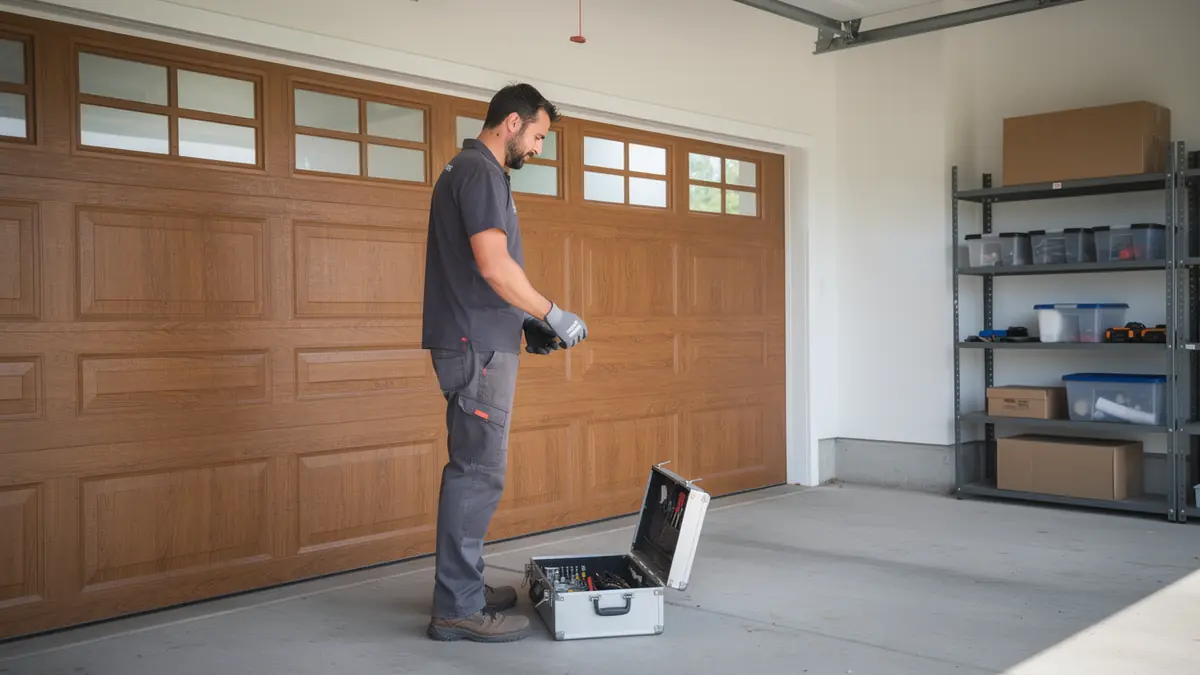
Why Draughts Sneak Through Bowie Garage Doors
Bowie homes built from 1948 to 1977 often have worn weather seals that let in cold draughts.
Read guide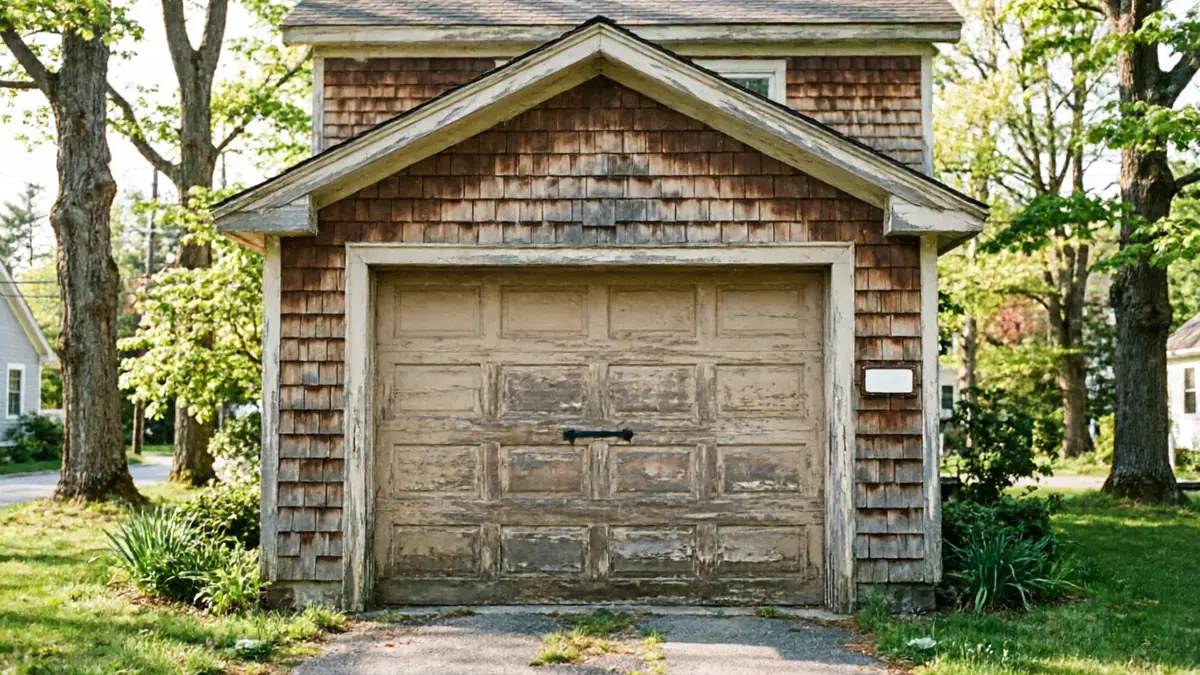
What a Technician Checks First on a Bowie Garage Door
A look at what a technician checks first on a Bowie garage door call, tied to this area's 1960s-70s housing stock and cold winters.
Read guideReady when you are
Need a garage door sorted in Bowie?
Bowie Garage Door Pros repairs and installs garage doors, springs and openers in Bowie, MD and the surrounding area.