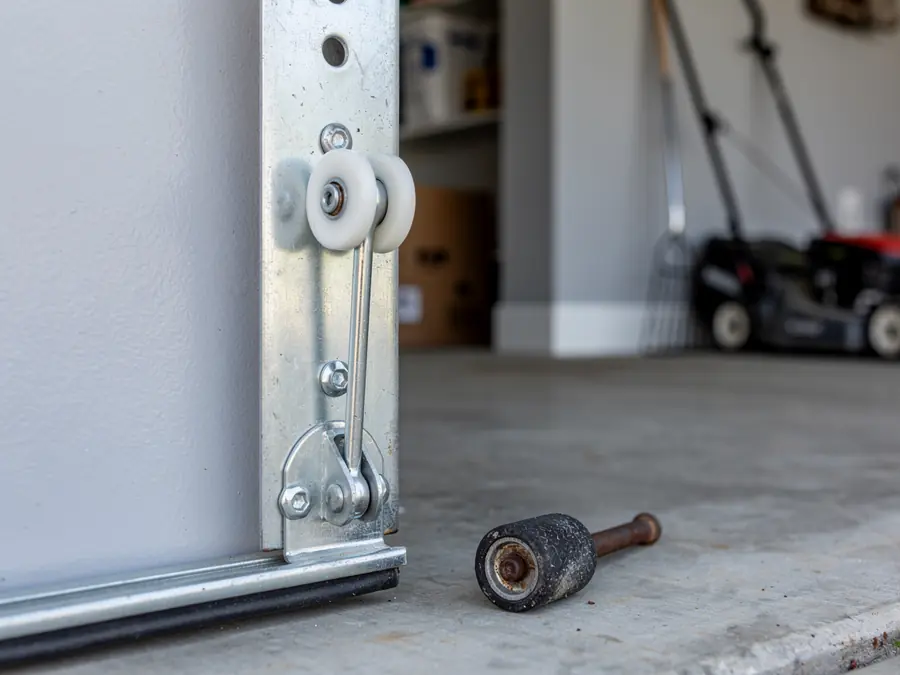
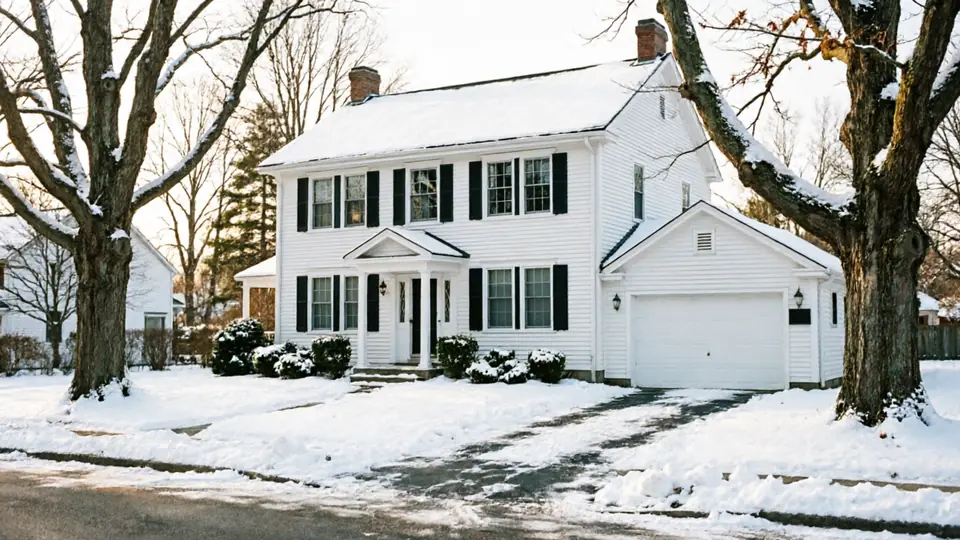
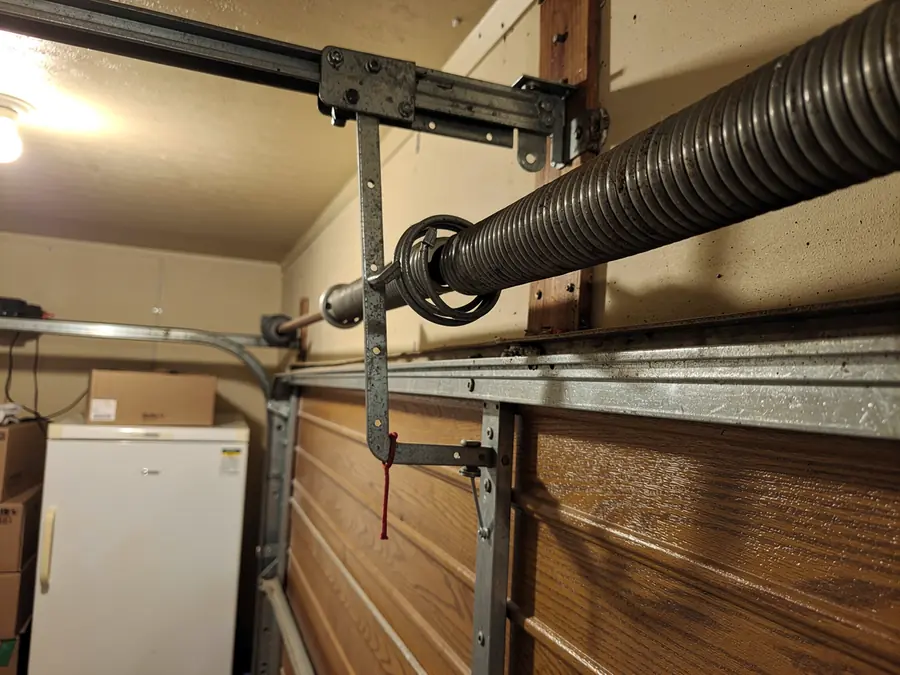
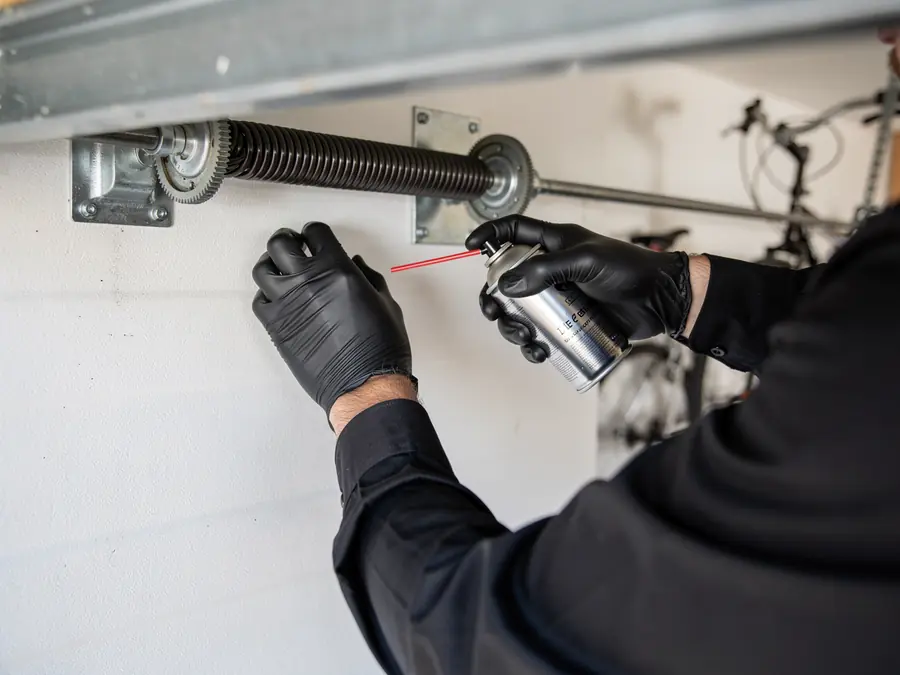
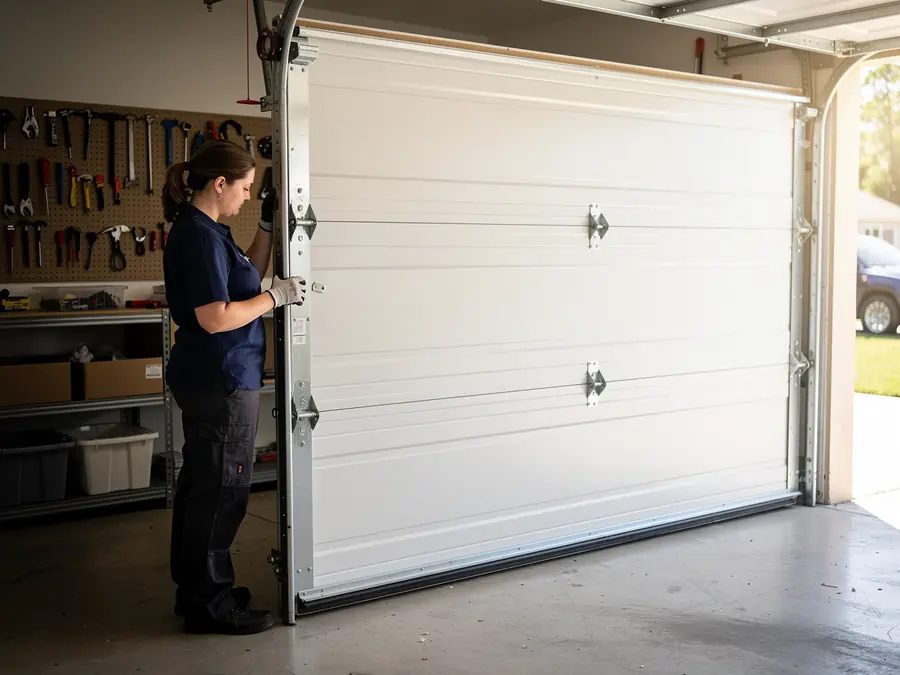
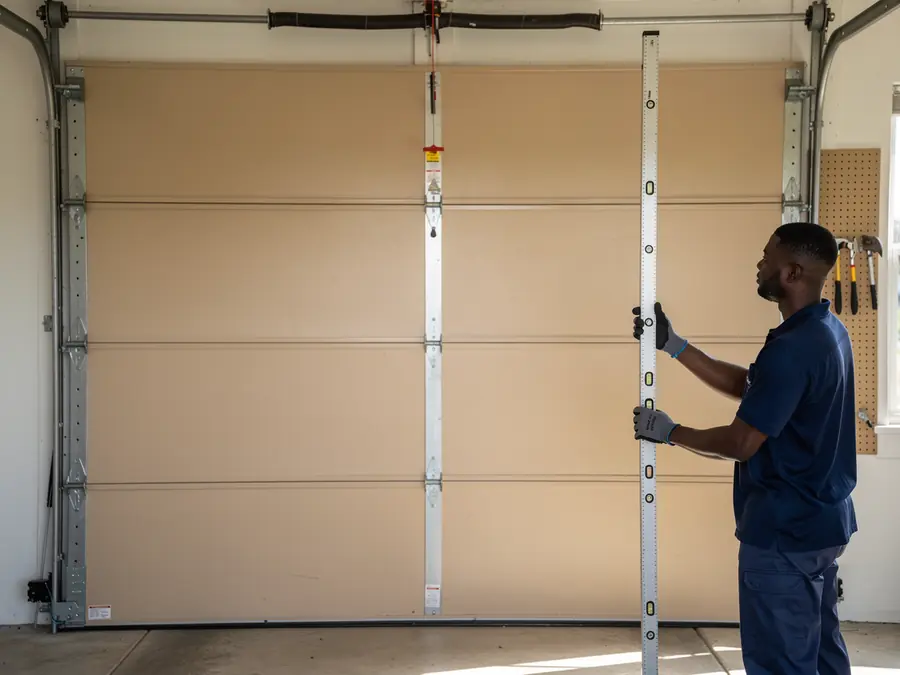
This region sits in a cold-severe climate band, and that matters more for rollers than people expect. Steel contracts in the cold, grease stiffens, and a roller that was already a little worn starts grinding against the track instead of rolling smoothly through it. On newer doors with sealed nylon rollers that's a minor annoyance. On the steel, unsealed rollers common in houses from that 1960s-70s build-out, it accelerates wear on both the roller and the track lip holding it.
Across the 457,002 households and 185,075 owner-occupied houses in this service area, the pattern repeats: the older the door, the more likely the rollers are original, and the more likely winter is what finally kills them. It's not that newer doors never need rollers - they do, eventually - it's that the mid-century stock concentrated through this area hits the end of roller life on a shorter clock, especially after a hard winter. We see more roller calls in the months after the first deep cold snap than at any other time of year.