Fast garage door repair in BowieCall (301) 297-2897

Bowie, MD

Garage Door Repair for Bowie Homes Built Since the Late 1970s

Garage door repair for Bowie, MD homes built mostly in the 1960s and 70s, sized for the springs, cables, and openers that era actually used.

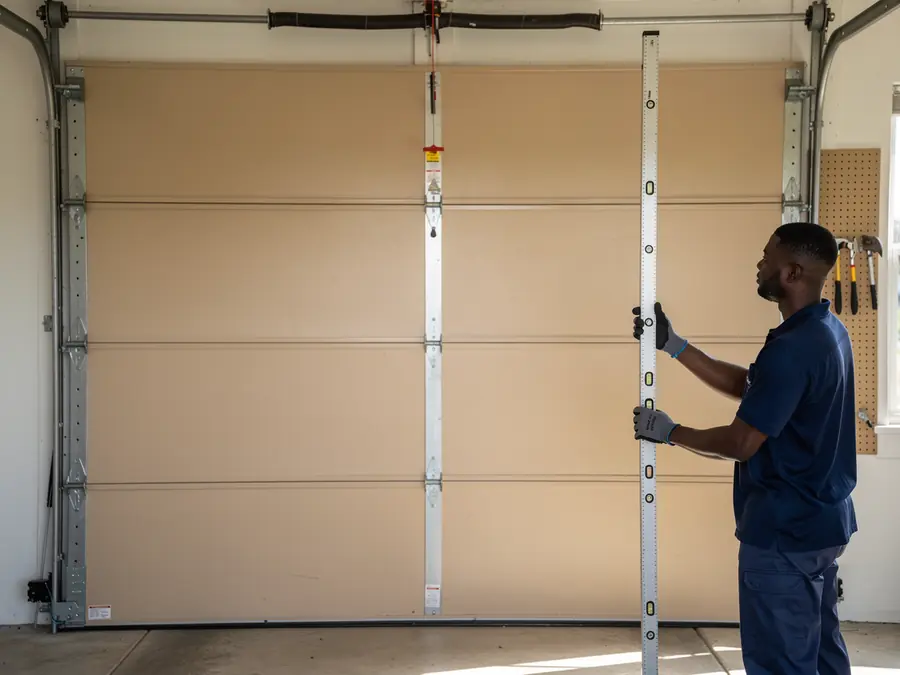
A technician holds a long level in front of a closed tan garage door.
What we do
  • Garage Door Repair
  • New Door Installation
  • Springs & Openers
Serving Bowie, MDBackground-checked techsHonest, upfront pricingFast local response
Local
Crews that work this area daily
Same-day
Response for most repair calls
Upfront
Pricing agreed before we start
Insured
Background-checked technicians

On the truck

Parts We Carry

We stock what actually breaks on the doors found around here, not a generic catalog. That means torsion springs in the wire sizes and wind counts that match homes with a median build year around 1977, plus the older extension-spring setups still hanging in some of the 1960s and 70s houses that never got upgraded.

Cold-rated cables and rollers

We carry galvanized lift cables rated for the temperature swings a cold-climate winter puts on steel, nylon and steel rollers in both 7-inch and 10-inch stems, and track sections sized for the single-car and two-car bays common across this stretch of Prince George's County.

Common chain-drive opener parts

Opener parts run toward chain-drive units from the last two decades, since that's the bulk of what we pull out of these garages, along with the circuit boards and drive gears that fail first.

Obsolete torsion bar hardware

We also keep standard torsion bar drums and bottom brackets on hand, because original hardware on a 1970s door is often a non-standard size nobody stocks anymore, and that's the part that turns a one-hour job into a two-day wait. If your door takes a spring size we don't carry on the truck, we tell you that before we start, not after.

Local causes

Why This Fails Locally

Housing in this service area runs from 1948 through 2014, with the median landing around 1977, and the bulk of it clusters in 1960s and 70s construction across the 91 named communities we cover. That era of door hardware was built for a milder duty cycle than what it's gotten. Pair that with a cold-severe climate band, and you've got steel torsion springs that contract hard every winter night and expand every time the sun hits the door face, cycling through a wider temperature swing each year than the spring's rated fatigue curve assumes. Forty-plus years of that cycling is exactly why so many of these doors start showing cable fray and spring sag around the same age, regardless of how well the door was maintained. It isn't bad luck - it's the math of an old steel part living in a climate that stresses it twice a day. Newer builds in the area, going up as late as 2014, mostly dodge this because they're running springs and openers rated for current load and temperature standards. The older stock is where the calls come from.

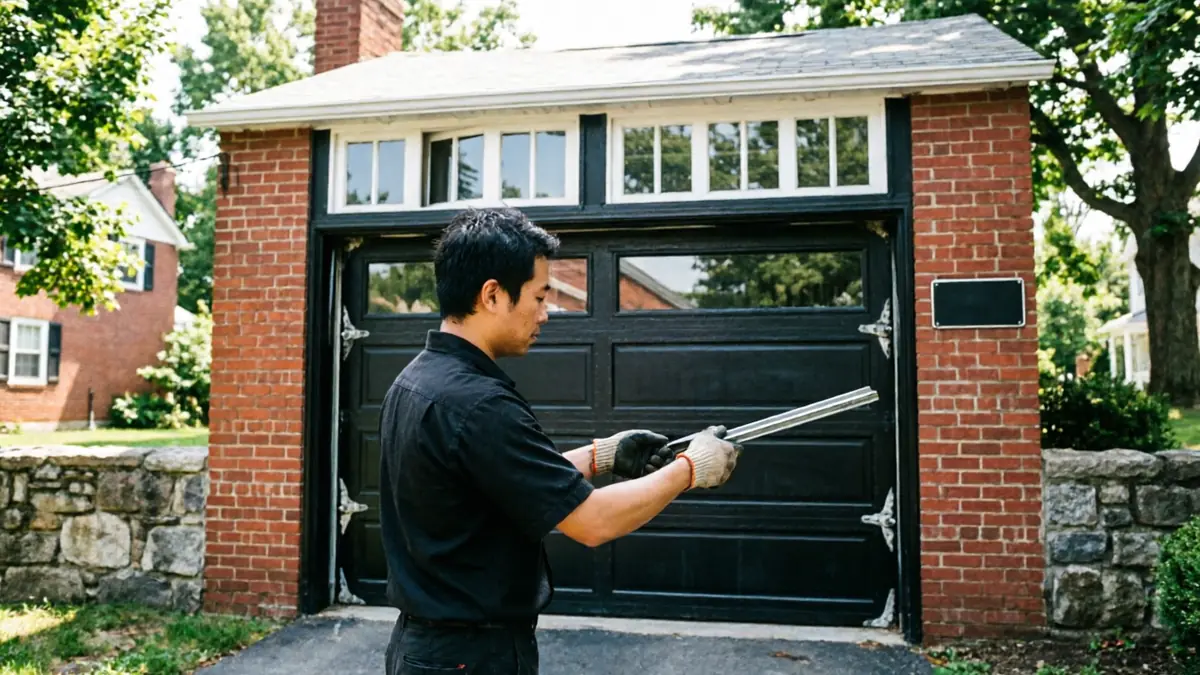
A technician in gloves holds a metal bar in front of a black garage door.

The repair

What the Repair Takes

Most torsion spring jobs on a 1960s or 70s door run about an hour once we're on site, assuming the spring size matches something on the truck.

  1. Winding bar spring swap

    We unload the spring under tension with a winding bar, pull the old one, check the drums and bottom brackets for wear since those often go at the same time as the spring, and wind the replacement to the door's actual weight rather than guessing off the old spring's size.

  2. Cable and roller add-ons

    Cable replacement adds time if the track or rollers are also worn, which they usually are on a door that's never had the rollers swapped. One honest limitation: if your door uses a non-standard torsion bar diameter or a spring wind count outside what we stock, that part can take a few days to source, and we'll tell you that up front rather than promise same-day on something we don't have in hand.

  3. Repair over replacement sales

    We also won't talk you into replacing a door that just needs a spring and a set of rollers - if the panels and track are sound, a repair is the right call, not a sales pitch for a new door.

Symptoms

The Symptom

The door starts slow, then jerks partway up, then stalls - that's a spring losing tension, not an opener problem, even though the opener usually gets blamed first.

Loud bang from snap

On older torsion setups common in this area's 1960s and 70s stock, you'll often hear a loud bang from the garage before any of that shows up; that's the spring itself snapping, usually in the early morning when the steel is coldest and tightest from the overnight temperature drop typical of a cold-severe winter here.

Shuddering door on rollers

A door that shudders or vibrates on the way up, rather than running smooth, usually points to worn rollers or a bent track section instead of the spring.

Reversal at floor sensors

If the door reverses right after the floor without finishing its close, that's more often a sensor or limit issue on the opener than a spring problem at all - worth ruling out before anyone touches the springs.

Questions

Common questions

Why did my garage door spring snap overnight in Bowie?

Steel torsion springs contract in cold and this area sits in a cold-severe climate band, so overnight temperature drops add extra stress on top of normal age-related fatigue. On a door built in the common 1960s-70s stock, the spring has usually been cycling through that swing for 40-plus years, which is enough to push a worn spring past its limit on a cold night.

Can you match the spring size on an older Bowie-area house?

Usually, yes - we stock the wire sizes and wind counts that match homes with a median build year around 1977. If your door uses a less common torsion bar diameter, sourcing that part can take a few extra days, and we'll tell you that before starting the job, not after.

Is it worth repairing an old door or replacing it?

If the panels and track are straight and the only failure is the spring, cables, or rollers, repair is the right call and usually the cheaper one. Replacement makes more sense when the door itself is rusted, warped, or the track has been bent beyond adjustment.

Explore more

Explore More Services In Bowie, MD

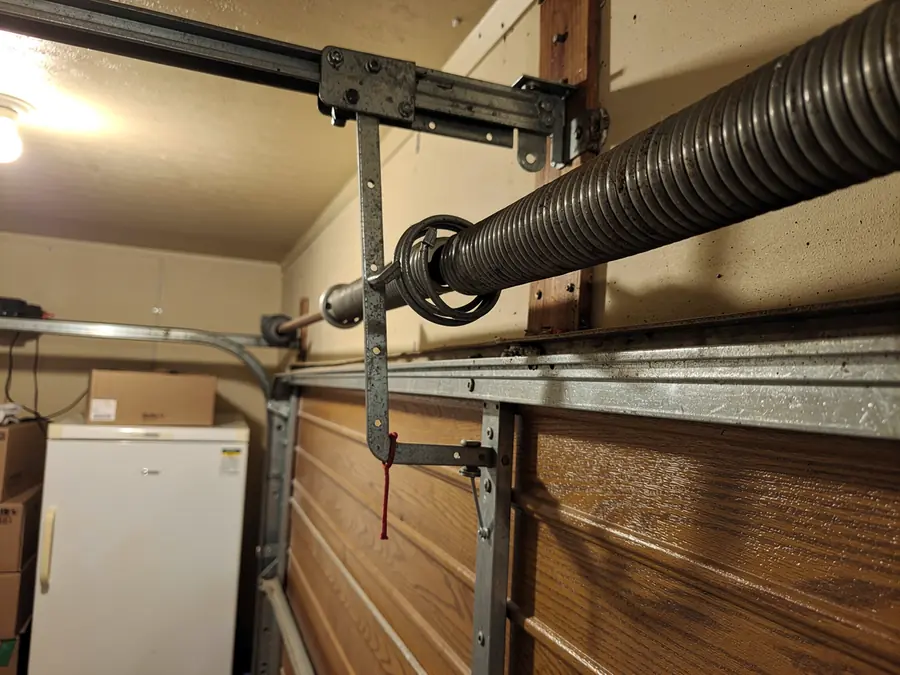
The torsion spring is mounted above a wooden garage door.

Garage Door Spring Repair for Bowie Homes

Broken torsion springs on Bowie's 1960s-80s houses are a cold-weather repair we see constantly. Learn more →
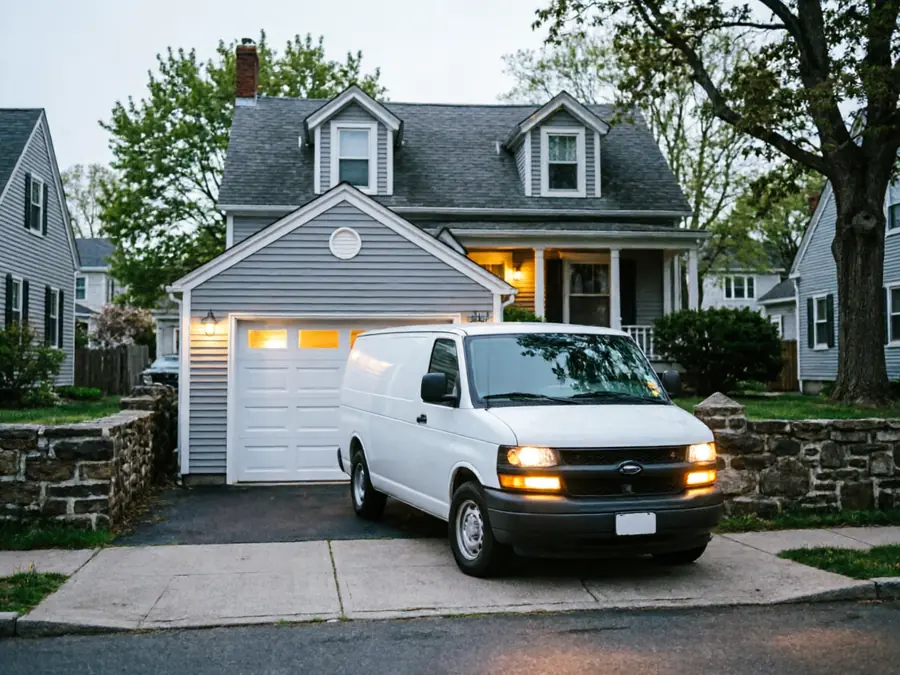
A white van is parked in a driveway in front of a house with a garage.

Emergency Garage Door Repair for Bowie Homeowners

Broken torsion spring or dead opener in Bowie, MD? Learn more →
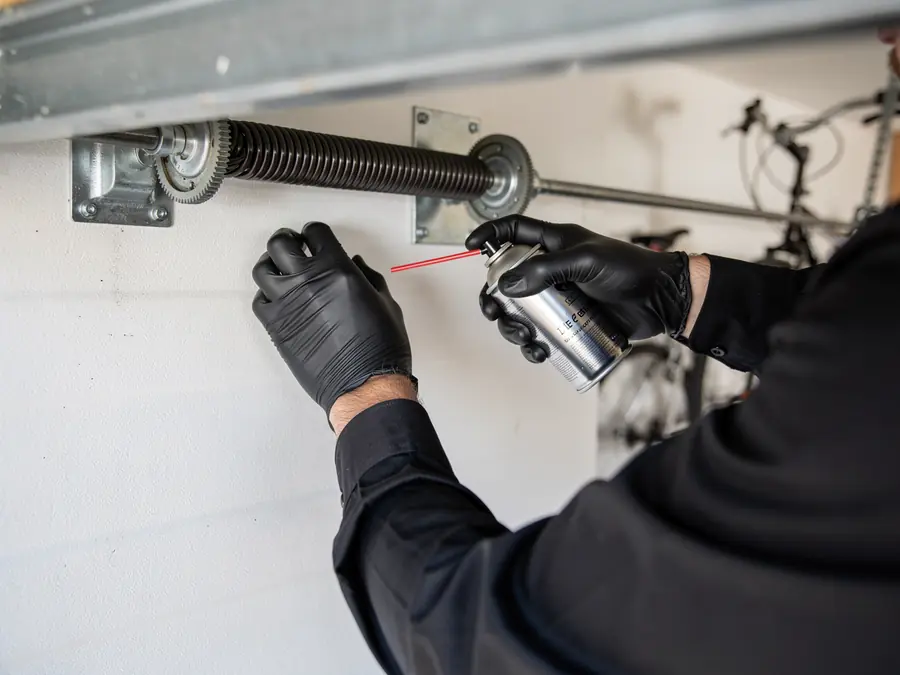
A technician in black gloves sprays lubricant on a garage door torsion spring.

Garage Door Service for Bowie's 1960s and 70s Housing Stock

Bowie homes built between 1948 and 2014, many from the 1960s and 70s, often run original torsion springs not rated for our cold winters. Learn more →
A technician in black gloves sprays lubricant on a garage door torsion spring.

Garage Door Maintenance in Bowie, MD

Garage door maintenance for Bowie, MD homes built mostly in the 1960s-70s, where cold winters and aging torsion hardware turn small faults into no-go days. Learn more →
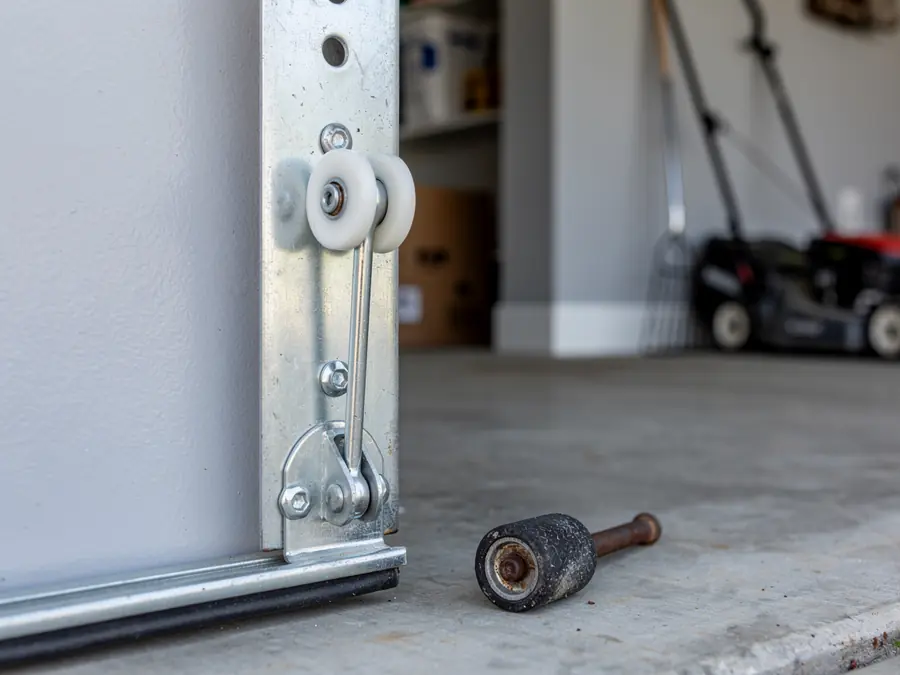
A garage door roller is attached to the door, and a broken roller lies on the floor.

Roller Replacement for Garage Doors Across the Bowie Area

Garage door roller replacement for homes near Bowie, MD built between 1948 and 2014, where cold winters wear steel rollers fast and cause binding and noise. Learn more →
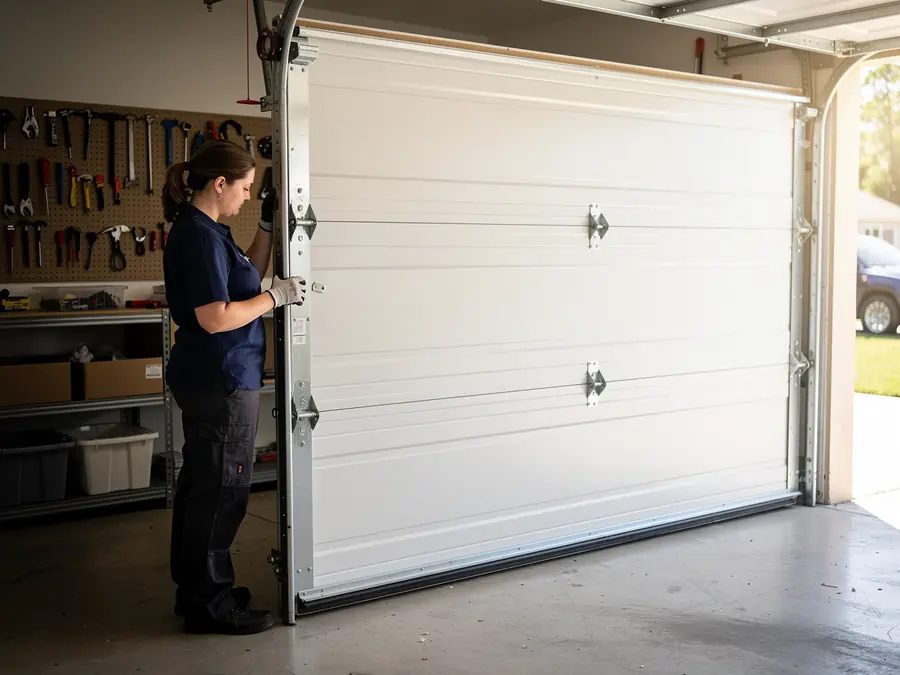
A technician in gloves is working on the side of a white garage door.

Garage Door Installation for Bowie's Older Housing Stock

Replacing a worn garage door in Bowie means matching the opening to a house built decades ago and a winter that still gets cold enough to matter. Learn more →

Ready when you are

Need a garage door sorted in Bowie?

Bowie Garage Door Pros repairs and installs garage doors, springs and openers in Bowie, MD and the surrounding area.

CallGet a quote