
Blog
Why Draughts Sneak Through Bowie Garage Doors
Bowie homes built from 1948 to 1977 often have worn weather seals that let in cold draughts. Here's why, how the cold makes it worse, and when it's a real call.
When to Call Someone
If you feel a steady draught along the bottom or sides of the door even with it shut, that's not something you fix with a tube of caulk. Call someone when the seal has gone stiff and cracked rather than just dirty, when the door doesn't sit flush against the slab on both ends, or when cold air is coming in at a corner and not along the whole bottom edge - that usually means the door itself has racked slightly, not just the seal. In a lot of the housing stock around Bowie, built mostly between the 1960s and 1990s with a median year around 1977, the original bottom seal retainer is a thin aluminum channel that corrodes over the decades. Once that channel is pitted, a new seal won't hold its shape and you'll be back to the same draught in a season. That's a hardware call, not a weatherstripping call. We don't push full door replacement for a seal issue - most of the time it's a channel and a seal, not a new door. But if the track is bent too, fixing the seal alone won't solve it, and that's worth saying up front rather than after you've paid for parts.
The Situation
Bowie's garage doors span a wide range of ages, with most of the surrounding housing built between 1948 and 2014 and a heavy concentration from the 1960s and 70s. That matters because seal retainer design changed more than once over that stretch. Older channels were often a single thin strip nailed or screwed into the bottom panel; later ones use a routed slot that holds a thicker vinyl bulb seal more securely. If your house falls into that earlier wave common across this part of the county, you're more likely dealing with a retainer that's warped or rusted through rather than just a seal that's dried out. Side seals (the felt or vinyl strips along the vertical tracks) wear differently - they take abrasion from the door cycling thousands of times, and on an older track that's slightly out of plumb, that wear is uneven. One side goes bald while the other looks fine. That's a clue the track needs a look, not just the seal. None of this is dramatic work, but it's also not a ten-minute fix if the retainer channel has to come off first.
How Local Conditions Play In
This area sits in a cold climate band with real winter severity, not just the occasional frost. That matters for seals specifically: vinyl and rubber both stiffen and shrink in sustained cold, and a seal that looked fine in October can pull away from the slab by January, opening a gap right when you need it closed most. Houses on the older end of the local stock - the 1960s and 70s builds that make up a lot of neighborhoods here - tend to have slab foundations that have settled slightly over fifty-plus years, so the gap under the door isn't perfectly even side to side even with a brand new seal installed square. That uneven gap is why a generic big-box weatherstrip kit, sized for a flat threshold, often doesn't seal well on an older Bowie slab. The seals that hold up best here are the ones with enough bulb flex to cover a quarter inch of variance across the width of the door, not the thin flat strip style. Cold snaps are also when a marginal seal gets reported - the draught isn't new, it's just finally noticeable.
Checking It Yourself
Close the door and walk the inside perimeter with your hand a few inches off the floor and the jambs. A thin line of daylight at the bottom, or a cold line of air at one side but not the other, tells you where to start. Check whether the bottom seal is still flexible - pinch it between two fingers. If it cracks or feels brittle rather than springy, it's past replacing on its own merits, cold climate or not. Look at the retainer channel itself for rust-through or gaps where screws have pulled loose; on an older Bowie house that channel is more likely to be the actual failure point than the seal rubber. One honest limitation: if the slab has settled enough that the gap is more than about half an inch different from one side to the other, a standard seal swap won't fully solve it - that's a track or threshold conversation, and it's worth having before you buy a seal that won't close the gap anyway.
Questions
Common questions
Why does my garage door let in cold air even though it looks shut all the way?
Most of the time it's the bottom seal, not the door fit. On houses built in the 1960s and 70s common around Bowie, the aluminum retainer channel that holds the seal corrodes over the decades, and once it's pitted the seal can't sit flush anymore. Cold weather makes it worse because the seal material stiffens and shrinks right when you need the gap closed.
Will a new weatherstrip kit from a hardware store fix it?
Sometimes, but on an older slab that's settled slightly unevenly, a flat generic strip won't flex enough to cover the gap across the full width of the door. You end up with one side sealed and the other still draughty. A bulb-style seal with more give handles that variance better.
Is a draughty door a sign I need a whole new door?
Usually not. A seal and retainer channel swap handles most draught complaints we see on this housing stock. Full replacement only makes sense if the track is bent or the panels themselves are warped - worth checking before spending on a new door.
Recommendation
You Might Also Like
More garage door guides for Bowie homeowners.
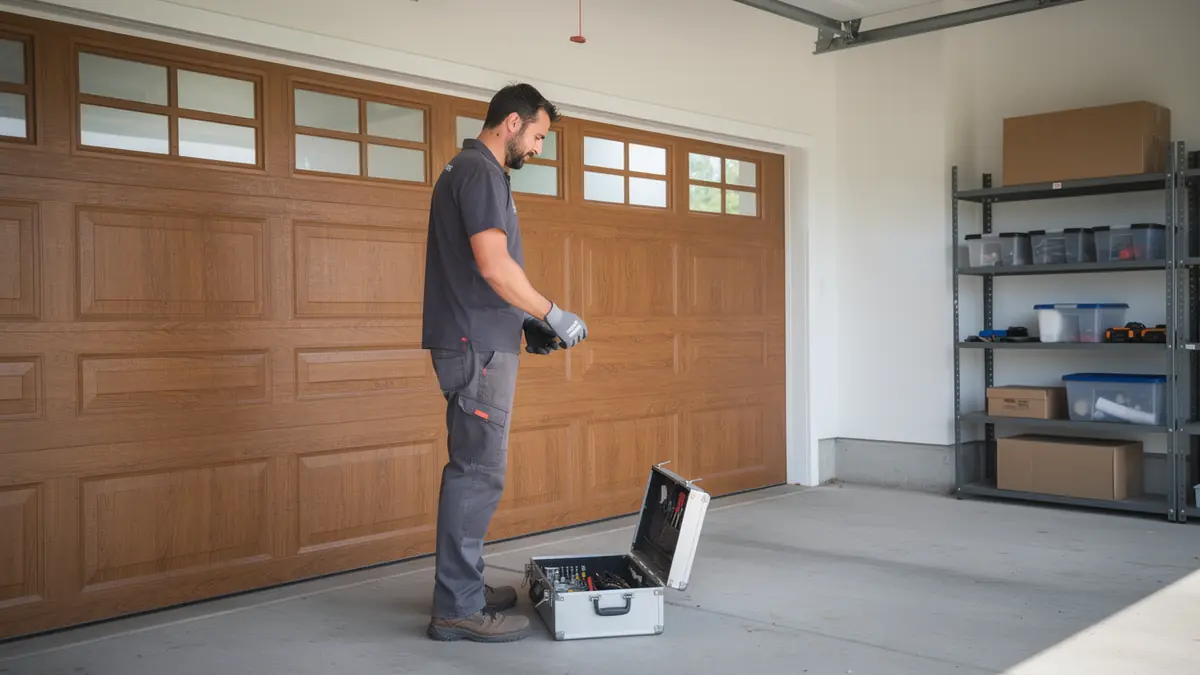
When the Power Goes Out and Your Bowie Garage Door Won't
Bowie homes built mostly in the 1960s-70s face older opener wiring and cold-weather power cuts.
Read guide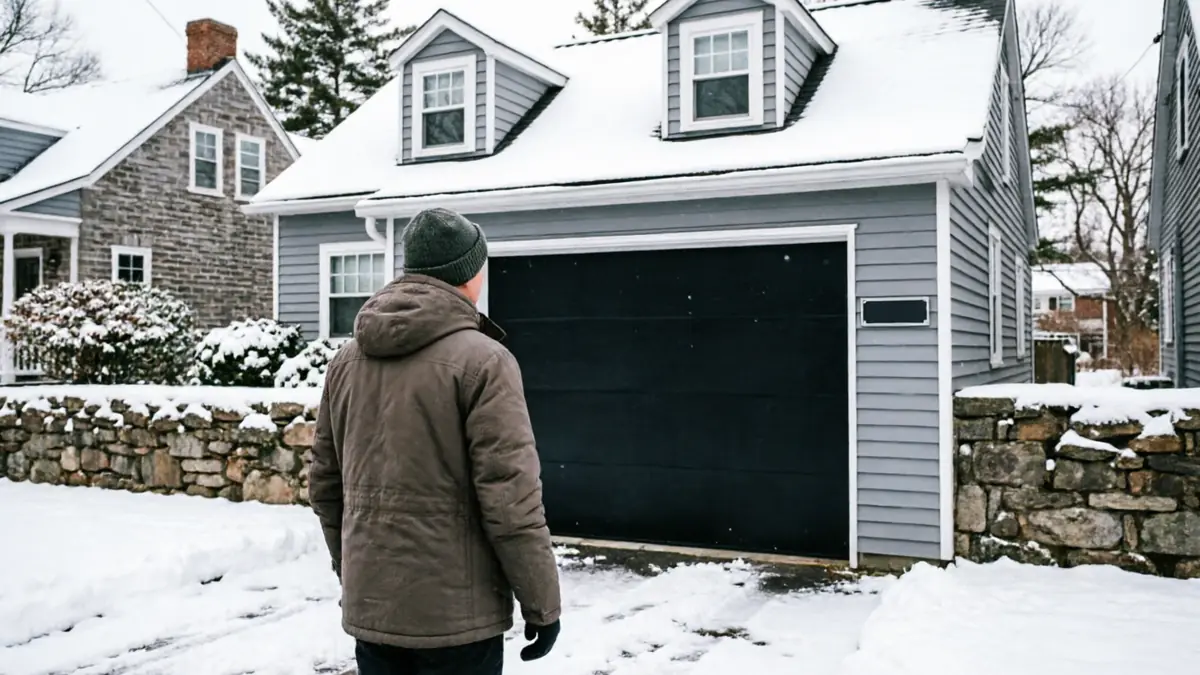
Knowing When Another Repair Call Isn't Worth It
Bowie homes built mostly in the 1960s-70s mean original hardware is aging out together.
Read guide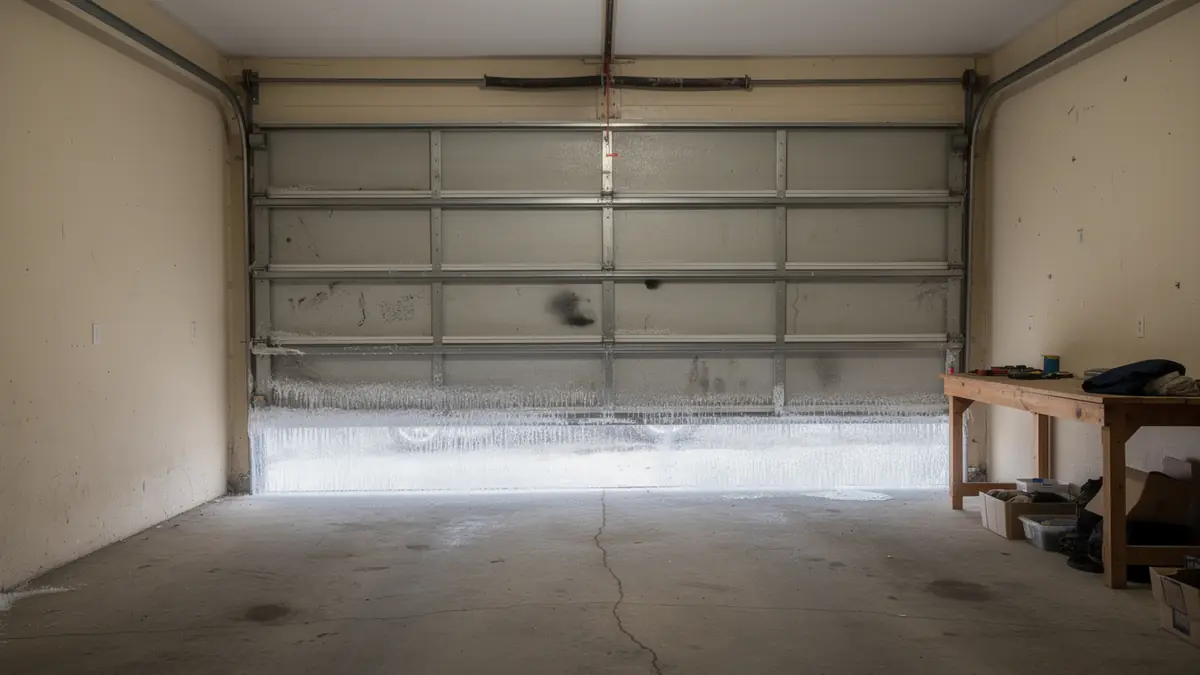
When Your Bowie Garage Door Spring Breaks in Cold Weather
A torsion spring that snaps on a January morning in Bowie isn't random bad luck.
Read guideReady when you are
Need a garage door sorted in Bowie?
Bowie Garage Door Pros repairs and installs garage doors, springs and openers in Bowie, MD and the surrounding area.