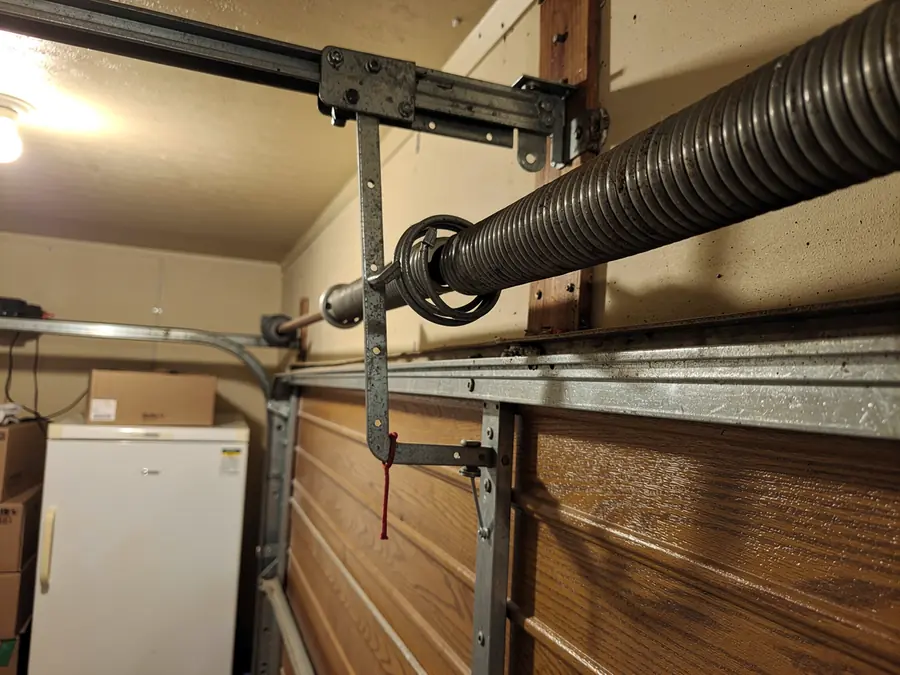
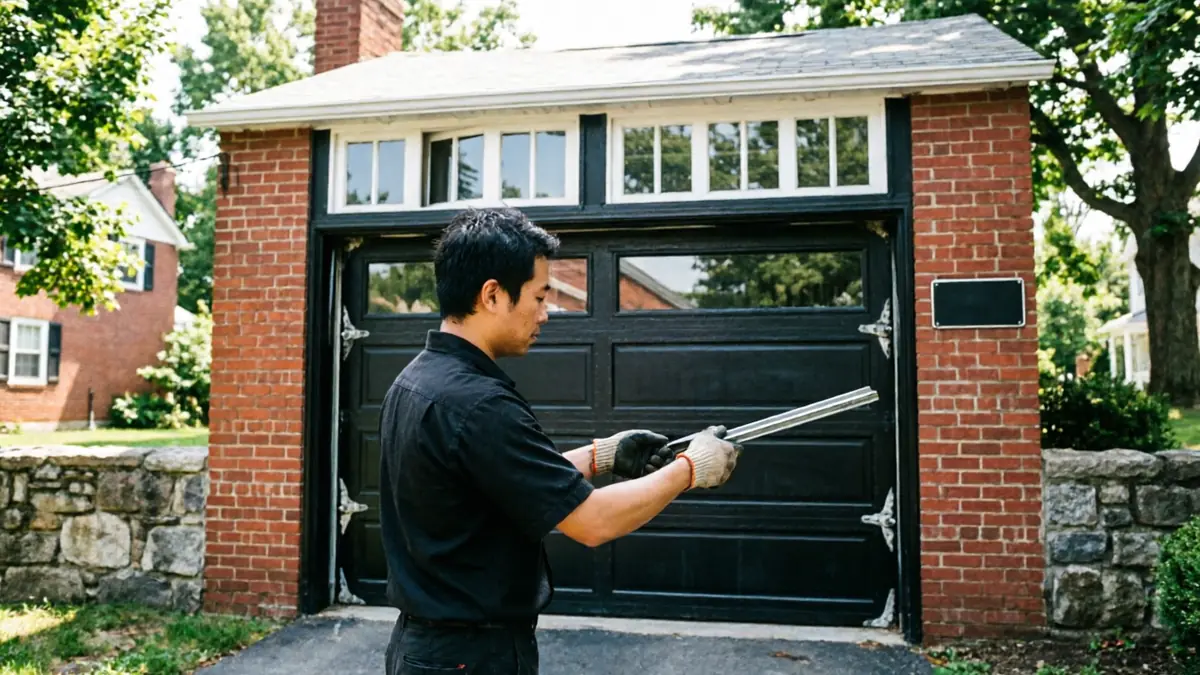
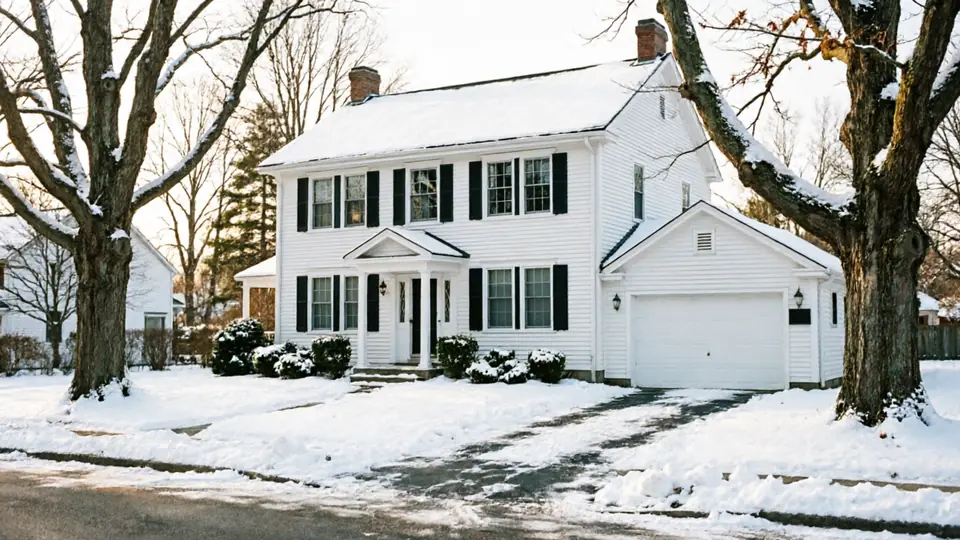
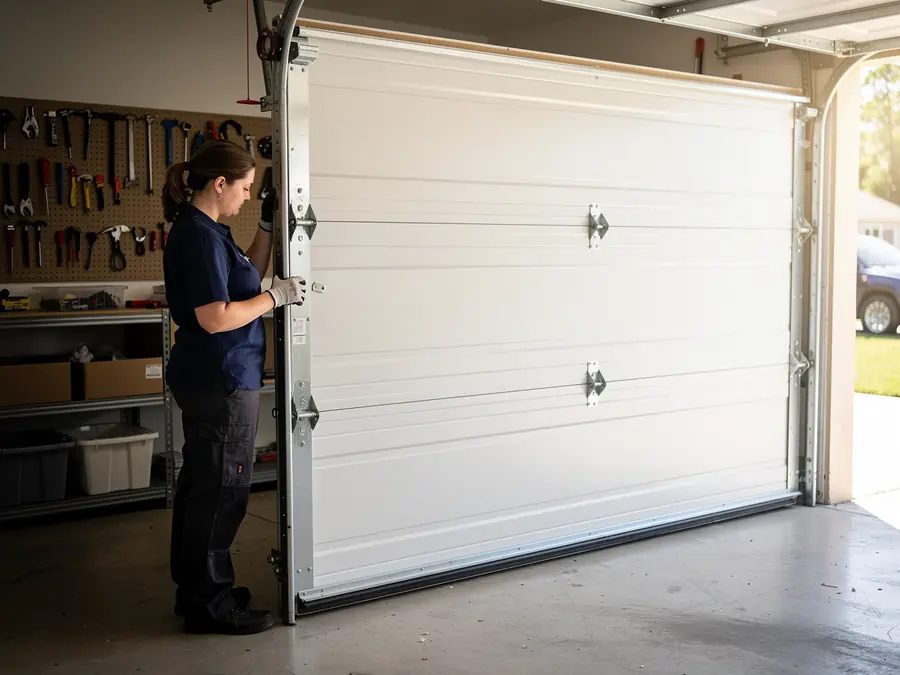
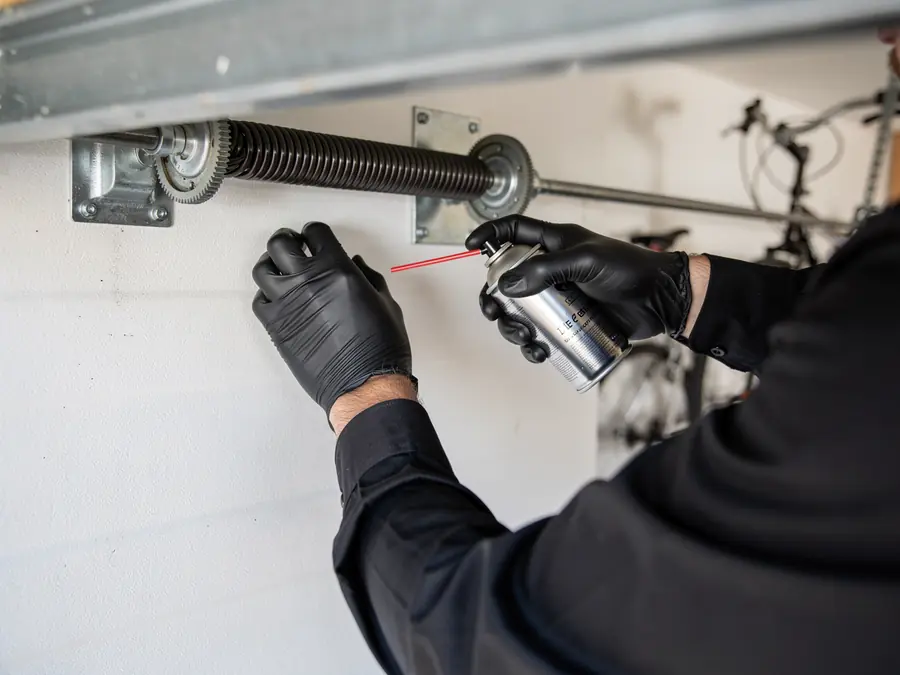
This area sits in a cold-climate band with real seasonal swings, and that matters for spring life. Steel torsion springs lose temper faster when they're cycling through freeze-thaw stretches every winter, and a spring that's already near the end of its wind count under that stress just snaps instead of slowly sagging the way it might somewhere with a mild climate.
Add to that the age of the stock. A door installed when a house was built in, say, the 1970s has had five decades of winters on the original spring if nobody's ever swapped it - and a lot of owners never think about the spring until it lets go. Median household income here runs well above the national figure, and that shows up in how fast people replace a whole opener system, but spring wear doesn't care about income. It cares about cycle count and cold.
Across the roughly 185,000 owner-occupied houses in this service area, the spring failures we see cluster hard in homes from that 1960s-70s building wave - not because the springs were bad, but because they're simply old enough now that the wind-count clock has run out at the same time winter cold is working against the steel.